
Sleep should feel natural, yet many people struggle with restless nights caused by racing thoughts, stress, or irregular breathing patterns. Learning how to use Dodow can introduce a calming routine that gently guides your breathing and helps your body relax before sleep.
Using the Dodow is simple. Place it on your nightstand, choose an 8- or 20-minute session, and follow the light with your breathing inhale as it expands and exhale as it contracts to ease tension and prepare your body for sleep.
How to Use Dodow: A Simple Step-by-Step Guide for First-Time Users
Learning how to use Dodow is simple once you understand the basic process. The device projects a soft blue light onto the ceiling that expands and contracts in a slow rhythm. By matching your breathing to this rhythm, your breathing gradually slows, helping the body relax and transition toward sleep.
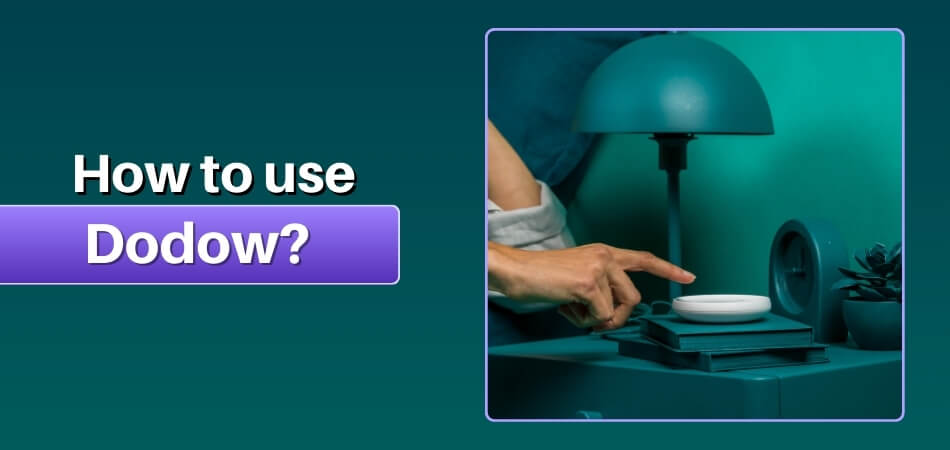
To use Dodow effectively, follow these steps.
Step 1: Place the Device on Your Bedside Table
Set the device on a stable surface next to your bed. The device should be within easy reach so you can activate it without getting up during the night.
Step 2: Turn Off the Bright Lights in the Room
Dodow works best in a dim environment. Turn off overhead lighting and avoid phone screens or other distractions so the blue light projection remains clearly visible.
Step 3: Activate the Device
Tap the touch-sensitive surface on top of the device to begin a sleep session. A single tap usually activates the shorter session, while two taps start the longer breathing session.
Step 4: Focus on the Projected Blue Light
Once activated, the device projects a soft blue circle onto the ceiling. Watch how the light slowly expands and contracts in a calm, steady rhythm.
Step 5: Match Your Breathing to the Rhythm
Follow the light with your breathing pattern.
- Inhale as the light expands
- Exhale as the light contracts
This guided breathing pattern gradually slows your breathing and encourages relaxation.
Step 6: Continue Following the Rhythm Until You Relax
As the session progresses, the breathing rhythm becomes slower. This helps your body enter a calmer state that supports natural sleep.
Many users fall asleep before the session ends. The goal is not to force sleep but to allow the body to relax naturally while following the breathing rhythm.
Where Should You Place the Dodow Device Before Starting Your Sleep Session?
Proper placement of the device can improve visibility of the light projection and make the breathing rhythm easier to follow. While Dodow is designed to be simple, small adjustments in positioning can make the experience more comfortable. Here’s where you can place it before starting your sleeping session.
Ideal Placement on the Bedside Table
The device should sit flat on a bedside table or nightstand. Position it so the light projects clearly onto the ceiling without obstruction.
Distance From the User
Most users place Dodow about an arm’s length away from their pillow. This allows the light to be visible without needing to move or adjust your position during the session.
Keep the Ceiling Area Clear
The blue light projection works best when the ceiling above the bed is free from obstacles. Avoid placing the device where furniture or decorations block the projection.
Reduce Visual Distractions
A dim room allows the blue light to stand out clearly. Bright lights or glowing electronics can reduce visibility and make it harder to concentrate on the breathing pattern.
Adjusting for Different Sleeping Positions
Sleeping position can affect how easily you see the light. Some people sleep on their backs, while others prefer side sleeping. With slight adjustments in placement or head position, the device can still be comfortable to use.
For example, many users find Dodow effective for side sleepers when the device is placed slightly closer to the head of the bed so the projected light remains visible on the ceiling. Even if your head is turned to the side, you can still follow the rhythm with minimal movement.
The goal is simply to ensure the light remains within your field of vision so that the breathing rhythm stays easy to follow.
Understanding the Blue Light Rhythm and What It Signals Your Breathing to Do
The breathing rhythm created by Dodow is the core feature that helps the device support relaxation. Instead of focusing on complex breathing exercises, the device provides a visual cue that naturally guides your breathing pace.
How the Breathing Rhythm Works
The projected blue circle slowly expands and contracts. Each expansion represents the inhalation phase, while each contraction represents the exhalation phase.
- Inhale as the light expands.
- Exhale as the light shrinks.
The rhythm begins at a moderate pace and gradually slows over time. As the pattern slows, your breathing becomes deeper and more controlled.
Why Slower Breathing Supports Sleep
Breathing patterns influence the nervous system. When breathing is slow and steady, the body begins activating the parasympathetic nervous system, often referred to as the relaxation response.
This shift produces several physiological changes:
- Heart rate gradually slows
- Muscle tension decreases
- Mental alertness reduces
- The body prepares for sleep
The Psychological Effect of Guided Breathing
Following a repetitive rhythm also helps calm the mind. When attention is focused on the light and breathing pattern, mental space for anxious or racing thoughts becomes smaller. This reduces cognitive stimulation, which is one of the common barriers to falling asleep.
Research on controlled breathing techniques has shown that slow rhythmic breathing can reduce physiological arousal and improve relaxation before sleep. These findings form part of the scientific evidence supporting Dodow usage, as the device essentially guides users through a structured breathing exercise designed for nighttime relaxation.
Instead of counting breaths or performing complex meditation practices, users simply follow a visual rhythm.
Setting the Right Sleep Session: Choosing Between the 8-Minute and 20-Minute Mode
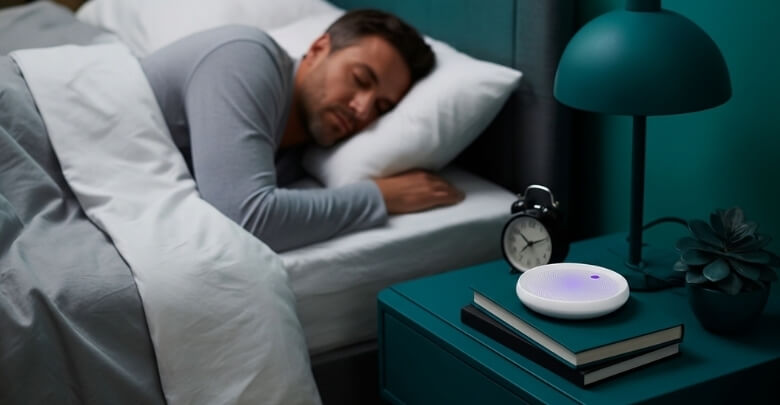
Dodow offers two session durations, allowing users to choose the breathing guidance length that best suits their needs. Understanding when to use each mode helps create a more personalized sleep routine.
The Shorter Session Option
The shorter mode lasts approximately eight minutes. This session is typically suitable for people who only need a brief moment of relaxation before sleep.
You may prefer the shorter session if:
- You usually fall asleep quickly
- You experience occasional difficulty falling asleep
- You want a quick breathing exercise to relax the body
Many users who simply need help calming their thoughts before sleep find this mode sufficient.
The Longer Session Option
The longer session lasts about twenty minutes. This extended breathing guidance is designed for nights when the mind feels more active or when relaxation takes longer.
This option may be helpful if:
- You often experience racing thoughts
- Stress or anxiety makes it difficult to relax
- Falling asleep regularly takes longer than usual
The longer breathing rhythm gives the body more time to transition into a relaxed state.
When to Switch Modes
It is common for users to experiment with both options during the first few nights. If the shorter session ends before you feel relaxed, switching to the longer mode may provide a better experience.
Consistency is important. Using the device regularly can help the body associate the breathing rhythm with sleep preparation.
Small Habits That Make Dodow Easier to Use at Night
Getting the most benefit from Dodow often depends on small nighttime habits that support relaxation and focus. These simple adjustments can improve your experience. Let’s explore helpful practices that follow.
- Keep Your Sleep Environment Calm: Create a quiet and dim sleeping environment before starting your Dodow session. Lower the lighting and reduce noise so your mind can settle and follow the breathing rhythm comfortably.
- Limit Screen Exposure Before Bedtime: Bright phone or tablet screens stimulate brain activity and delay sleep readiness. Reducing screen exposure at least fifteen minutes before using Dodow helps your mind relax faster.
- Stay Relaxed While Following The Rhythm: Try not to force your breathing to perfectly match the light pattern. Let your breathing gradually adapt to the expanding and contracting rhythm so the experience feels natural.
- Allow Time For Your Body To Adjust: Some people adapt to the breathing rhythm immediately, while others need a few nights to feel comfortable. Consistent nightly practice helps your body become familiar with the pacing.
- Focus Attention On Breathing Rather Than Sleep: Concentrating only on falling asleep may create pressure and mental tension. Instead, gently focus on breathing with a light rhythm and allow relaxation to develop naturally.
These small habits help Dodow become part of a calming bedtime routine, making it easier to relax, follow the breathing rhythm, and transition smoothly into restful sleep each night.
Why Some People Struggle With Dodow and How to Avoid Those Mistakes?
Many first time users assume the device will work instantly, but small mistakes can interfere with the relaxation process. Understanding these issues helps improve results. Let’s examine the most common problems.
Trying to Force the Breathing Rhythm
Many users attempt to match every expansion and contraction of the light perfectly. This creates unnecessary tension and keeps the body alert. Instead, treat the breathing rhythm as a gentle guide and allow your breathing pace to adjust gradually.
Watching the Light Too Intensely
Staring directly at the light projection with strong focus can stimulate mental activity rather than calm it. Relax your gaze and allow the light to remain softly within your field of vision while following the breathing pattern naturally.
Using the Device in a Bright Room
Bright room lighting reduces the visibility of the projected blue circle and makes it harder to follow the breathing rhythm. A darker environment helps the light stand out clearly and allows your attention to remain on the calming breathing pattern.
Expecting Instant Results
Relaxation-based sleep techniques often require consistency. Some people expect immediate results on the first night. Regular use allows the body to become familiar with the rhythm and gradually associate the breathing pattern with sleep preparation.
Losing the Breathing Rhythm During the Session
If your breathing falls out of sync with the expanding and contracting light, there is no need to restart the session. Simply pause for a moment and follow the next cycle of the rhythm to regain a relaxed breathing pace.
Understanding these common challenges helps users approach Dodow with realistic expectations. When used with patience and proper technique, the breathing rhythm can gradually support relaxation and make falling asleep easier.
Frequently Asked Questions
Many readers still have practical questions after learning the basic steps of using Dodow. The following answers address common concerns people often search online when exploring this sleep device.
Can Dodow Be Used During Daytime Relaxation?
Yes. Although Dodow is mainly designed for bedtime, some people use it during daytime relaxation or meditation sessions. The guided breathing rhythm can help calm the mind and reduce stress during quiet rest periods.
Does Dodow Make Any Noise While Operating?
No. Dodow operates silently and only projects a soft blue light onto the ceiling. Because there are no sounds or vibrations, the device does not disturb partners or interfere with a quiet sleep environment.
How Long Does The Dodow Battery Last?
Dodow usually operates with standard batteries that can last several months, depending on usage frequency. Regular nightly use may reduce battery life slightly, but replacements are simple and inexpensive.
Can Dodow Help People With Mild Insomnia?
Many users report that guided breathing patterns help calm mental activity before sleep. While Dodow is not a medical treatment, it can support relaxation techniques that may help people experiencing mild insomnia.
Is Dodow Suitable For Teenagers Or Older Adults?
Yes. Dodow is safe for a wide range of age groups because it relies only on breathing guidance and a gentle light rhythm. Both teenagers and older adults can use it comfortably as part of a bedtime routine.
Does Dodow Interfere With Normal Sleep Cycles?
No. The device simply guides breathing during the process of falling asleep. Once the session ends or the user falls asleep, the body continues its natural sleep cycle without interruption.
Can Dodow Be Used While Traveling?
Yes. The device is small and portable, making it convenient for travel. Many users bring it on trips so they can maintain the same relaxing bedtime routine even in unfamiliar environments.
Conclusion
Getting restful sleep often begins with calming the mind and slowing the body. Learning how to use Dodow allows you to guide your breathing gently and create a peaceful bedtime routine that encourages relaxation.
By understanding the use of Dodow properly and practicing the breathing rhythm regularly, many users find it easier to settle into sleep naturally. With patience and consistency, this simple method can support a calmer and more comfortable nighttime experience.