
Sleep should feel natural, yet many people lie awake with a busy mind and restless body. Stress, screens, and irregular routines often make relaxing at night difficult. This growing challenge has led many people to explore sleep technology and ask a simple question: Do handheld sleep devices work?
In many cases, the answer is yes. These devices guide breathing, reduce mental noise, and help the body relax before sleep. While results vary by person, they can support faster sleep onset for stress-related sleep problems. Continue reading to learn how these devices actually work.
Do Handheld Sleep Devices Actually Work?
Yes, handheld sleep devices can work for many people, especially when sleep trouble is linked to stress, overthinking, or difficulty calming down at night. Results vary, but the way these devices are designed often matches what helps the body ease into sleep. Here’s a detailed, easy-to-follow breakdown of how and when handheld sleep devices work, explained in clear points.
Guided Breathing Can Slow the Body Down
Many handheld sleep devices focus on paced breathing because breathing is one of the fastest ways to calm the nervous system.
- Stress often makes breathing quick and shallow.
- Fast breathing keeps the brain in “alert mode.”
- Slower breathing sends the opposite signal: “it’s safe to rest.”
When a device guides your inhale and exhale rhythm, your breathing often becomes steadier, your heart rate may lower, and your body starts settling.
A Relaxation Response May Kick in Naturally
Falling asleep is easier when the body moves from “on” to “off.” Handheld sleep devices try to help with that shift by supporting the parasympathetic nervous system (the body’s rest-and-repair mode).
As the body relaxes, you may notice:
- less muscle tension
- a calmer heartbeat
- fewer stress sensations
- an easier transition into drowsiness
This is one reason breathing-based tools can feel soothing even within a few minutes.
Focusing on A Simple Cue Can Reduce Racing Thoughts
A major reason people stay awake is mental noise, worries, planning, and replaying conversations. Handheld sleep devices can help by giving the brain one gentle thing to focus on, such as:
- Slow light rhythm
- Soft vibration pattern
- Breathing pace signal
That focus acts like a mental “anchor,” which can make intrusive thoughts feel less loud and less sticky.
A Predictable Bedtime Cue Can Train the Brain Over Time
Sleep is strongly tied to routine. Using a handheld sleep device consistently can create a clear bedtime signal, which may help the brain associate the device with winding down.
With regular use, some people experience:
- Faster relaxation at bedtime
- Less tossing and turning
- A smoother shift into sleep readiness
This effect is more noticeable when the device is used the same way each night.
Mindfulness-Style Calm Can Feel Easier with Guidance
Not everyone enjoys meditation, especially when tired and frustrated. A handheld device can make calming techniques simpler by guiding attention and breathing in a structured way.
This can support:
- Lower nighttime anxiety
- Less overthinking
- A more “settled” feeling in the body
In other words, the device can act like a lightweight form of guided relaxation without needing an app or a long session.
Stress-Related Sleep Problems Tend to Respond Best
Handheld sleep devices usually work best when the issue is sleep onset, the struggle to fall asleep, rather than waking up repeatedly all night.
They’re often most helpful for people dealing with:
- Stress and tension at night
- Bedtime anxiety
- Racing thoughts
- Irregular breathing while trying to sleep
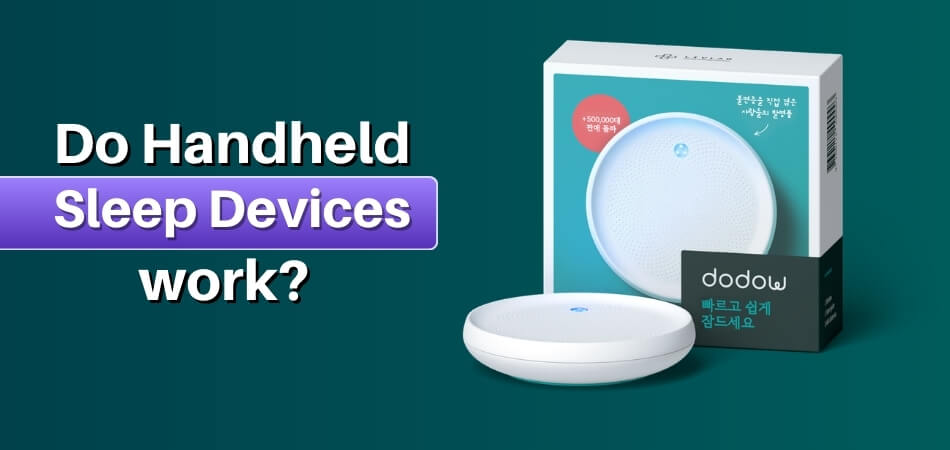
Devices like Dodow, for example, guide breathing using a soft light rhythm, aiming to slow breathing and ease the body into a calmer state.
Natural Sleep Is Supported, Not Forced
A key benefit of handheld devices is that they don’t “knock you out.” Instead, they support the conditions that allow sleep to happen naturally.
That means:
- No drug-like sedation
- Fewer next-day side effects compared to many sleep meds
- More focus on building a healthier sleep process
Think of it as a tool that helps you reach the doorway of sleep, rather than pushing you through it.
Good Sleep Habits Still Matter a Lot
Even a helpful device can struggle if the rest of the routine works against it. Results improve when the device is paired with basic sleep-friendly habits, like:
- Keeping a consistent bedtime
- Avoiding caffeine late in the day
- Reducing screen time before sleep
- Keeping the room dark, quiet, and cool
When the environment supports relaxation, handheld devices tend to feel more effective.
Certain Sleep Issues May Need More than A Device
Handheld sleep devices are not the best solution for every situation. They may be less effective when sleep problems come from medical or complex causes, such as:
- Sleep apnea
- Chronic insomnia disorders
- Ongoing pain conditions
- Severe depression or anxiety requiring treatment
In these cases, professional help or targeted therapy may be the most effective path, with devices used only as extra support.
Handheld sleep devices can work, especially for people who struggle with calming down at bedtime. They often help by guiding breathing, reducing mental chatter, and supporting the body’s natural relaxation response. For the best results, consistent use and healthy sleep habits make a big difference.
Why Many People Turn to Sleep Devices When Rest Feels Out of Reach?
Many people feel exhausted at night yet struggle to fall asleep because the mind remains active. Sleep devices promise simple support for relaxation and better rest. Let’s explore why people increasingly rely on them.
Stress and Daily Pressure Make Relaxation Difficult
Modern life often keeps the brain active long after bedtime. Work pressure, personal responsibilities, and constant information overload increase stress levels. When the body remains alert, falling asleep becomes difficult, which encourages people to explore sleep devices for guided relaxation.
Racing Thoughts Keep the Mind Awake
Many individuals experience racing thoughts once they lie down to sleep. The brain continues processing worries, plans, or memories from the day. Sleep devices help shift attention toward calming cues, which may reduce mental noise and encourage relaxation before sleep.
Growing Interest in Natural Sleep Support
Many people prefer improving sleep without relying on medication. Natural approaches such as breathing guidance and relaxation techniques attract those seeking safer solutions. This growing preference explains why handheld sleep devices have become popular tools for supporting healthier bedtime routines.
Curiosity About Sleep Science
Public awareness of sleep research has increased significantly in recent years. People now understand that breathing patterns and relaxation influence sleep quality. This curiosity often leads them to explore the science behind handheld sleep devices and how these tools support calm breathing.
Technology Has Disrupted Natural Sleep Patterns
Late-night screen use and digital stimulation can interfere with the body’s natural sleep signals. Bright light and constant content keep the brain alert. Many people turn to sleep devices to help counter these effects and restore a calmer bedtime rhythm.
Guided Relaxation Feels Easier With a Device
Breathing exercises and mindfulness techniques can improve sleep, but practicing them alone may feel difficult for beginners. Handheld sleep devices simplify the process by guiding breathing patterns, allowing users to relax without needing advanced meditation skills or long practice.
A Simple Tool for Building Better Sleep Habits
Some people view sleep devices as a small step toward improving their bedtime routine. These tools provide structure and consistency, helping the brain associate certain cues with relaxation, which may gradually improve the ability to fall asleep faster.
In many cases, sleep devices appeal to people searching for a practical and natural way to calm the mind before bed. Understanding how these tools function helps clarify whether they can support better sleep habits.
How Do These Small Devices Try to Calm the Mind and Body?
Handheld sleep devices look simple, yet their design often combines breathing guidance, sensory focus, and relaxation cues to help the body slow down before sleep. Understanding how they work reveals why many people find them helpful for easing nighttime restlessness. Let’s break down the key mechanisms behind these devices.
Guided Breathing to Regulate the Nervous System
Many handheld sleep devices use paced breathing to slow the body’s natural rhythms. When users follow a steady inhale and exhale pattern, breathing gradually becomes deeper and slower. This shift can reduce heart rate, ease muscle tension, and move the body toward a relaxed state that supports sleep onset.
Light Rhythms That Synchronize Breathing
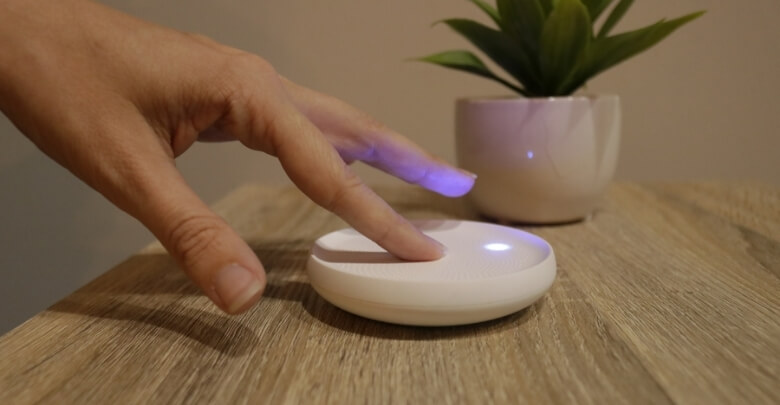
Some sleep devices project a soft light pattern that expands and contracts slowly. Users match their breathing with this visual rhythm. As the breathing pace becomes slower, the body receives signals to calm down, which can help reduce the alert state that often delays sleep.
Sensory Focus That Redirects Mental Attention
Difficulty sleeping often comes from an overactive mind. Handheld sleep devices introduce a gentle focus point such as rhythmic light, vibration, or breathing cues. This focus shifts attention away from worries and repetitive thoughts, allowing the mind to settle into a calmer mental state.
Tactile Signals That Guide Relaxation
Certain devices use soft vibration or tactile pulses instead of visual signals. These subtle physical cues encourage users to slow their breathing without needing to watch a light pattern. This approach can feel more natural for people who prefer closing their eyes while relaxing.
Gradual Reduction of Physiological Arousal
Falling asleep requires the body to transition from alertness to calmness. By guiding breathing and attention, handheld sleep devices help lower physiological arousal. As breathing slows and muscles relax, the nervous system begins shifting away from the stress response.
Encouraging the Body’s Natural Relaxation Response
The main purpose of these devices is to activate the relaxation response, a physiological state where breathing becomes steady, heart rate stabilizes, and mental activity decreases. When this state develops, the brain finds it easier to move from wakefulness into the early stages of sleep.
Creating a Consistent Sleep Trigger
Over time, repeated use of a handheld sleep device can become part of a bedtime routine. The brain starts associating the device’s rhythm with relaxation. This consistent cue may gradually train the body to calm down faster when it is time to sleep.
When combined with a calm sleep environment and healthy bedtime habits, these mechanisms help handheld sleep devices guide the mind and body from an alert state toward the slower rhythm needed for natural sleep.
What Science Says About Breathing-Guided and Relaxation Devices?
Sleep science is clear on one core idea: the body has to calm down before sleep can begin. Many handheld sleep devices are built around this principle. Instead of “knocking you out,” they use paced breathing and gentle guidance to lower stress signals and make the brain more ready for sleep.
Paced Breathing Supports The Parasympathetic Nervous System
Studies on slow breathing show that reducing breathing to around five to six breaths per minute can stimulate the vagus nerve. This helps activate the parasympathetic nervous system, which is responsible for rest and recovery. As this system becomes more active, heart rate can slow, and stress response activity may decrease.
Lower Arousal Improves Sleep Onset
Falling asleep becomes difficult when the body stays in a high-alert state, known as physiological arousal. Slow, rhythmic breathing can reduce that alertness, making it easier for the brain to shift from active thinking into calmer pre-sleep states.
Focused Attention Reduces Racing Thoughts
Guided breathing also works mentally. When attention is anchored to a steady rhythm, the brain has less room for rumination. This can reduce cognitive overload and make bedtime thoughts feel less intense, which supports faster sleep onset for many people.
Devices Apply These Principles In Simple Ways
Many people researching sleep tech try to understand Dodow’s effectiveness, since it uses a light rhythm to guide slower breathing. The idea closely matches relaxation methods used in mindfulness and breathing exercises, just packaged into an easier, structured experience.
The science strongly supports the mechanism behind breathing-guided relaxation tools: slowing breathing and focusing attention can help the body relax. Results vary by person, but for stress-related sleep trouble, these devices can make falling asleep feel more achievable.
Situations Where These Devices May Not Be Very Effective
Handheld sleep devices can support relaxation, but they are not a universal solution for every sleep problem. Certain situations limit their impact. Understanding these limits helps set realistic expectations. Let’s examine when results may be weaker.
- Chronic Insomnia Disorders: People with long-term insomnia caused by medical or psychological conditions may need professional treatment. Relaxation devices alone may not resolve persistent sleep difficulties.
- Sleep Apnea or Breathing-Related Disorders: Conditions such as sleep apnea disrupt breathing patterns during sleep. In these cases, medical diagnosis and treatment are essential, and handheld sleep devices cannot replace proper therapy.
- Highly Stimulating Bedtime Habits: Frequent late-night screen use, intense mental activity, or irregular sleep schedules can keep the brain alert. These habits may reduce the effectiveness of relaxation-based sleep devices.
- High Caffeine or Stimulant Intake: Consuming caffeine or other stimulants late in the day can keep the nervous system active. This stimulation may override the calming cues provided by handheld sleep devices.
- Expecting Instant Sleep Results: Some users expect immediate sleep the first night. These devices often work gradually through repeated use, so inconsistent expectations can lead to disappointment.
- Severe Stress or Mental Health Conditions: When anxiety, depression, or extreme stress significantly affects sleep, professional support may be necessary. Devices designed for relaxation may provide limited relief on their own.
Understanding these limitations helps users approach sleep devices more realistically. In the next section, we will explore how using a handheld sleep device correctly can improve its effectiveness within a healthy bedtime routine.
How to Use a Handheld Sleep Device as Part of a Bedtime Routine?
Using a handheld sleep device works best when it becomes part of a consistent wind-down routine. The goal is simple: reduce stimulation, guide relaxation, and let sleep happen naturally. Follow these steps for the best results.
Step 1: Pick a Consistent Start Time Each Night
Choose a realistic bedtime and start your wind-down routine at the same time daily. Consistency trains your brain to expect sleep and makes relaxation cues more effective.
Step 2: Set Up a Sleep-Friendly Environment
Before turning on the device, make your room support sleep:
- Dim the lights
- Reduce noise if possible
- Keep the room cool and comfortable
- Put your phone away or on silent
A calm environment helps the device work faster because your body is not fighting distractions.
Step 3: Avoid Stimulating Inputs For 20 to 30 Minutes
Skip anything that keeps your brain active right before sleep:
- Intense work tasks
- Action-packed videos
- Social media scrolling
- Heavy conversations
This step matters because handheld sleep devices work by lowering alertness, not competing with stimulation.
Step 4: Get Into a Comfortable Sleep Position
Lie down in a position that allows you to relax fully. Many people start on their back because it feels easier to follow cues, but side sleeping is fine if that’s more comfortable.
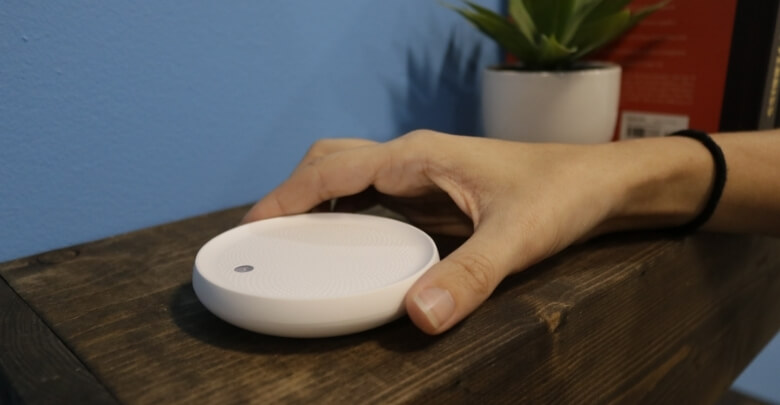
Step 5: Turn on the Handheld Sleep Device and Follow the Cue
Activate the device and use it exactly as instructed. Depending on the device, you may follow:
- A light rhythm
- Vibration cues
- A breathing pattern
Match your breathing to the rhythm without forcing it. Let the pace guide you gently.
Step 6: Keep Your Attention on the Rhythm, Not on Falling Asleep
A common mistake is checking whether you are asleep yet. Instead:
- Focus on the breathing cue
- Let thoughts pass without chasing them
- Return attention to the rhythm when the mind wanders
This reduces overthinking and helps your brain settle.
Step 7: Use the Device Consistently for at Least One to Two Weeks
These devices often work better with repetition. Regular use helps your brain link the device with relaxation, making it easier to fall asleep over time.
Step 8: Pair It With One Supportive Habit
To improve results, add one simple sleep habit:
- Stop caffeine after mid-afternoon
- Keep bedtime and wake time steady
- Limit naps late in the day
- Get morning daylight exposure
Small improvements add up and make the device more effective.
Step 9: Track What Changes, But Keep It Simple
Notice patterns instead of obsessing over numbers. Pay attention to:
- How fast you feel calm
- How often you wake up
- How rested you feel in the morning
If you feel more relaxed and fall asleep faster more often, the routine is working.
Done consistently, this step-by-step routine helps handheld sleep devices work as a practical tool for calming the mind and body before bed.
Frequently Asked Questions
Understanding handheld sleep devices often raises additional questions about safety, effectiveness, and everyday use. The following answers address common concerns people search for when exploring sleep technology and relaxation tools for improving sleep quality.
Are Handheld Sleep Devices Safe To Use Every Night?
Most handheld sleep devices are designed for regular use and rely on gentle relaxation techniques such as breathing guidance or soft sensory cues. Since they do not typically involve medication, many people use them nightly without experiencing significant side effects.
Can Sleep Devices Improve Overall Sleep Quality?
Some users report improvements in sleep quality because these devices help them fall asleep more calmly. When sleep begins more smoothly, the body may move through natural sleep cycles more efficiently, which can improve how rested a person feels the next morning.
How Long Does It Usually Take To Notice Results?
Results vary from person to person. Some individuals feel calmer during the first few uses, while others may need a week or two of consistent practice before noticing meaningful improvements in their ability to relax at bedtime.
Are Handheld Sleep Devices Better Than Sleep Apps?
Both options can support relaxation, but handheld devices often reduce distractions because they do not rely on smartphones. Many users prefer them since they allow a screen-free bedtime routine that helps the brain disconnect from digital stimulation.
Can These Devices Help With Nighttime Anxiety?
For people whose sleep problems are linked to stress or worry, breathing guided devices may help reduce nighttime anxiety. By encouraging slow breathing and focused attention, they may calm the nervous system and support a more relaxed state before sleep.
Do Sleep Devices Work For People Who Wake Up During The Night?
Some users find it helpful to activate their sleep device again if they wake up during the night. The breathing rhythm or relaxation cues can help the body settle back into a calm state, making it easier to fall asleep again.
Do Handheld Sleep Devices Require Special Training?
Most devices are designed to be simple and intuitive. Users usually follow a breathing rhythm, light signal, or vibration cue. This straightforward design allows beginners to practice relaxation techniques without needing prior meditation or breathing training.
Conclusion
Many people searching for better rest eventually ask the same question: Do handheld sleep devices work? The answer depends on the cause of the sleep problem, but these devices can support relaxation and help the body shift toward a calmer bedtime state.
When used consistently with healthy sleep habits, handheld sleep devices may help reduce racing thoughts and guide breathing patterns that encourage natural sleep. Understanding how they work allows users to decide whether they can support a better bedtime routine.