
Struggling to fall asleep can feel frustrating and lonely, especially when your mind refuses to slow down. Many people searching for answers ask the same question: Do Dodow really work? With growing interest in drug-free sleep aids, this small breathing device has sparked curiosity and skepticism alike. If you’re tired of restless nights and quick fixes that don’t last, you’re not alone.
So, do Dodow really work? The short answer is yes, for certain types of sleepers. It can help calm racing thoughts and support relaxation before bed. However, it is not a cure for every sleep problem. Continue reading to explore how it works and whether it’s right for you.
Do Dodow Really Work? (Step-by-Step Breakdown)
Yes, Dodow can work especially for people who struggle with falling asleep due to racing thoughts or mental overstimulation. However, it is not a cure for all types of insomnia. Its effectiveness depends largely on the root cause of your sleep difficulty, your consistency, and whether your sleep problem is related to mental hyperarousal rather than medical conditions.

Let’s break it down step by step.
Step 1: You Place It Beside Your Bed
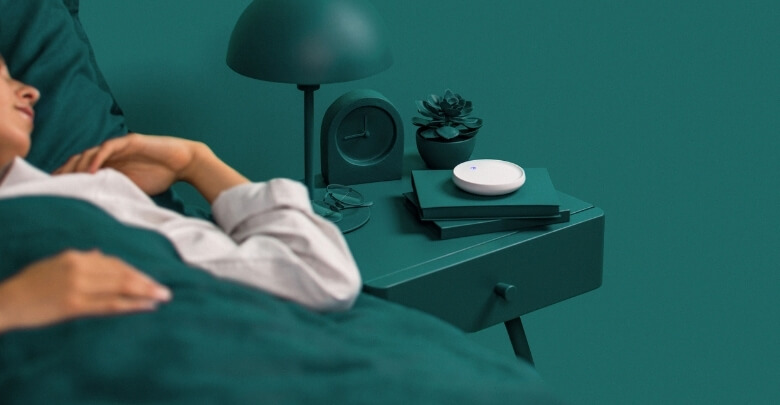
Place Dodow on a flat nightstand so it projects clearly onto the ceiling. Because it doesn’t rely on apps, Wi-Fi, or phone screens, you avoid late-night scrolling and reduce stimulation that can keep your brain alert.
Step 2: You Choose an 8- or 20-Minute Session
Select a session based on how restless you feel. The 8-minute mode suits mild bedtime tension, while 20 minutes is better when your mind feels busy. A fixed timer also removes pressure to “try hard” to sleep.
Step 3: You Sync Your Breathing to the Light
As the light expands, inhale slowly. As it contracts, exhale gently. Over multiple cycles, your breathing rate naturally slows without forcing it. This rhythm gives your mind a simple focus point instead of chasing thoughts.
Step 4: Your Nervous System Shifts Into Relax Mode
Slower breathing supports your parasympathetic nervous system, often described as “rest and digest.” This can reduce stress response activity, lower tension, and signal safety to the body, conditions that make falling asleep feel less like a battle.
Step 5: Your Mind Gets a Break From Racing Thoughts
The pulsing light becomes a mental anchor. Instead of replaying worries or planning tomorrow, your attention stays on a predictable pattern. This gentle focus can reduce cognitive overload, which is a common trigger for sleep-onset insomnia.
Step 6: Sleep Onset Often Feels More Natural
As physical tension eases and mental noise softens, drifting into sleep can become smoother. It’s not instant sedation, it’s a guided wind-down. That’s why results vary: it works best when sleeplessness is driven by overthinking.
If your nights are formed by a busy mind more than a medical sleep issue, this simple rhythm can feel surprisingly grounding. Keep reading to explore the science behind it and see who it’s most likely to help.
The Science Behind Guided Breathing and Sleep
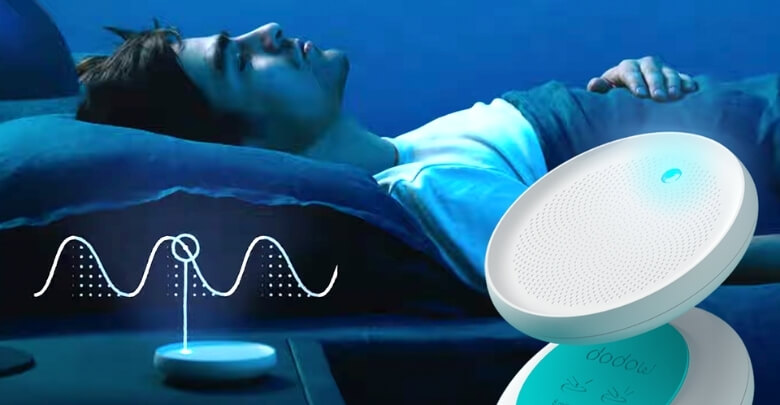
Sleep problems are often rooted in hyperarousal. Even when the body feels tired, the nervous system can remain in a mild fight-or-flight state. This condition is common in sleep-onset insomnia, where difficulty falling asleep stems from elevated mental and physiological activity.
Racing Thoughts Increase Physiological Alertness
Stress triggers the release of cortisol and adrenaline, increasing heart rate and accelerating breathing patterns. This biological response signals wakefulness to the brain. When the body remains in this alert state, transitioning into sleep becomes significantly more difficult.
Slow Breathing Activates the Relaxation Response
Controlled breathing stimulates the vagus nerve, which promotes parasympathetic nervous system activity. As breathing slows, heart rate decreases, muscle tension reduces, and stress response activity declines. This physiological shift supports the body’s transition from alertness to rest.
Reduced Arousal Shortens Sleep Onset
Falling asleep requires more than physical fatigue; it requires lowered arousal. When breathing becomes slower and more rhythmic, the brain can gradually shift toward calmer pre-sleep states. This makes the transition into sleep smoother and can reduce the time it takes to fall asleep.
Focused Attention Reduces Cognitive Overload
Guided breathing also works psychologically. When attention is anchored to a repetitive rhythm, mental bandwidth available for rumination decreases. This reduces overthinking and intrusive thoughts, and the science behind Dodow helps explain why this kind of focused breathing can support faster sleep onset.
Evidence Supports the Mechanism, Not Guaranteed Outcomes
Research consistently supports paced breathing and relaxation techniques as tools for reducing stress and improving sleep readiness. However, there is limited large-scale clinical research validating any single device as a universal solution for insomnia. Individual results vary depending on sleep patterns and underlying causes.
What Type of Sleeper Benefits the Most From Dodow?
Dodow is not a universal sleep solution. It is designed primarily to support sleep onset, meaning it helps people who struggle to fall asleep rather than those who wake repeatedly throughout the night. Its effectiveness depends largely on the root cause of your sleep difficulty.
Most Likely to Benefit
You may find Dodow helpful if you struggle with mental overstimulation at bedtime rather than physical sleep disorders.
It tends to work best for people who:
- Lie awake with racing thoughts or a constant mental replay
- Experience mild to moderate sleep-onset insomnia
- Feel anxious about “trying” to fall asleep
- Prefer drug-free sleep methods
- Want a structured and repeatable nighttime wind-down ritual
It can be particularly useful for high-stress professionals, students during exam periods, frequent travelers adjusting to new time zones, or individuals transitioning away from sleep supplements. In these cases, the issue is often cognitive arousal rather than medical disruption.
People who respond well to guided meditation or breathing exercises may also adapt more easily to this rhythm-based approach.
Consistency is important. Because this is a behavioral tool rather than a sedative, it works best for individuals willing to use it regularly and build a calming routine around it.
Who May See Limited Results
Dodow may not be the right solution if your sleep problems are driven by underlying medical or neurological conditions.
It is less likely to resolve sleep issues caused by:
- Sleep apnea
- Chronic pain
- Restless legs syndrome
- Hormonal imbalances
- Frequent nighttime awakenings unrelated to anxiety
- Severe anxiety disorders require structured therapy
In these cases, relaxation support alone may not address the core disruption.
Effectiveness of Dodow for Side Sleepers
Many people want to know the Dodow effectiveness for side sleepers. Since the device projects light onto the ceiling, back sleepers may find it easier to follow the rhythm naturally. However, side sleepers can still use it effectively with minor adjustments.
Tilting the head slightly upward or adjusting brightness settings typically allows clear visibility. The most important factor is comfort. As long as you can follow the projected rhythm without strain, body position does not significantly limit effectiveness.
Overall, Dodow benefits those whose sleeplessness stems from a busy mind rather than a complex medical issue. Understanding which category you fall into is key to setting realistic expectations and deciding whether this tool aligns with your sleep needs.
Dodow vs Other Sleep Aids: Is It Better Than Pills or Apps?
When evaluating whether this device works, comparisons matter. Most people aren’t choosing between one option and nothing; they’re weighing it against common alternatives like melatonin, sleeping pills, phone apps, and meditation. A quick side-by-side view makes the differences clearer.
Quick Comparison
| Option | Best For | Main Advantage | Common Limitation |
| Dodow | Racing thoughts, sleep-onset insomnia | Drug-free breathing rhythm + focus anchor | Not ideal for medical sleep disorders |
| Melatonin | Jet lag, shifted sleep schedule | Helps reset circadian timing | Doesn’t reliably calm mental overthinking |
| Sleeping Pills | Short-term severe insomnia | Faster sedation effect | Dependency, tolerance, next-day grogginess |
| Sleep Apps | Guided breathing or meditation | Often low-cost and flexible | Screen exposure + notifications can disrupt |
| Meditation | Stress reduction + long-term calm | Builds mental control over time | Requires consistency and self-discipline |
Dodow vs Melatonin
Melatonin supplements help regulate circadian rhythm. They are useful for jet lag or schedule shifts. However, melatonin does not directly quiet racing thoughts; effects vary widely, and frequent use may not always match what people expect from a sleep “solution.”
This device, on the other hand, targets relaxation and mental slowing rather than hormone timing, which can make it feel more relevant for bedtime overthinking.
Dodow vs Sleeping Pills
Prescription or over-the-counter sleep medications sedate the brain. They may help short-term, but they come with real trade-offs, including dependency risk, tolerance buildup, next-day grogginess, and possible side effects.
This approach does not sedate you. It works more like training, helping your body and brain downshift naturally, which is why it can take consistency to feel results.
Dodow vs Sleep Apps
Breathing apps can offer similar pacing guidance. The main drawback is the phone itself. Screens emit light that may interfere with sleep readiness, notifications can interrupt your wind-down, and the temptation to scroll can delay bedtime.
A dedicated device avoids those distractions and creates a more consistent “bedtime cue,” which many people find easier to stick with long term.
Dodow vs Meditation
Meditation can be powerful, but it requires self-guided discipline and practice. For beginners, sitting in silence can sometimes increase awareness of thoughts rather than reduce them.
This method provides an external rhythm and visual anchor, which can feel easier when you’re starting out or when your mind feels too busy for fully self-directed calming.
It isn’t universally “better”, it’s different. It tends to make the most sense for people who want a drug-free way to reduce mental arousal at bedtime without relying on screens.
Can Dodow Replace Therapy or Medical Treatment for Insomnia?
This is where many people misunderstand the role of this device. Dodow is not a replacement for medical diagnosis or structured insomnia treatment. It is a relaxation tool, not a clinical therapy. To understand where it fits, it helps to look at the situations that require professional care and where Dodow may still offer support.
Chronic Insomnia Requires Structured Treatment
Chronic insomnia is typically defined as difficulty falling or staying asleep at least three nights per week for three months or longer, accompanied by daytime impairment such as fatigue, irritability, or reduced concentration.
In these cases, the most effective first-line treatment is Cognitive Behavioral Therapy for Insomnia (CBT-I).
CBT-I addresses:
- Negative beliefs about sleep
- Sleep scheduling and timing
- Stimulus control (bed = sleep association)
- Behavioral conditioning patterns
- Sleep restriction techniques
These methods retrain how the brain associates the bed with sleep. Dodow does not restructure sleep psychology at that level. It primarily supports physiological relaxation.
When Medical Evaluation Is Important
Some sleep problems signal underlying medical conditions rather than simple overthinking. Professional evaluation is recommended if insomnia is accompanied by:
- Loud snoring or gasping during sleep
- Severe daytime sleepiness
- Waking up choking
- Persistent leg discomfort at night
- Ongoing mood disturbances
In these situations, relaxation tools alone are unlikely to address the root cause.
Where Dodow Fits in the Sleep Support Ladder
Sleep improvement often follows a hierarchy:
- Basic sleep hygiene adjustments
- Relaxation tools and behavioral aids
- CBT-I for persistent insomnia
- Medical assessment for suspected disorders
Dodow fits into the second category. It can complement healthy sleep habits and may serve as a calming aid during behavioral therapy, but it is not designed to replace professional treatment.
Realistic Positioning
Dodow works best as:
- A supplement to sleep hygiene practices
- A relaxation support tool during CBT-I
- A short-term calming method for stress-related sleeplessness
It should not be viewed as a cure for chronic, medically rooted, or psychologically complex insomnia. Understanding this distinction helps set realistic expectations and ensures that you choose the right level of support for your specific sleep challenge.
Is Dodow Worth the Price for Long-Term Sleep Improvement?
Dodow is priced similarly to many mid-range sleep gadgets. It is typically a one-time purchase rather than a subscription-based product, and it often includes a trial period or money-back guarantee. The real question is whether that upfront cost translates into lasting value.

Evaluating Cost Over Time
When comparing long-term expenses, context matters.
- Sleeping pills taken regularly for over a year can add up significantly.
- Therapy sessions cost substantially more per visit.
- Breathing apps are often cheaper but rely on phone usage, which may reduce bedtime consistency.
If the device is used nightly for several months, the cost per use decreases dramatically. Spread across a year, it may cost less than many short-term sleep solutions.
Value Depends on Consistency
Because this is a behavioral tool rather than a sedative, its value is directly tied to usage habits. If you use it consistently and it reliably shortens your sleep onset time, the investment may feel justified. If it is used briefly and abandoned after a few nights, the benefit will likely be limited. Like most non-pharmacological sleep aids, consistency determines return on investment.
Who Is Most Likely to Find It Worth the Price
It may offer strong value for:
- Travelers adjusting to new time zones
- Stress-prone professionals with racing thoughts
- Students during exam seasons
- Occasional insomniacs seeking drug-free support
- Individuals transitioning away from sleep supplements
For these groups, even a modest improvement in sleep onset can feel meaningful.
Who May Not Find It Worth the Investment
It may not feel worthwhile for:
- People expecting immediate sedation
- Individuals with medically rooted sleep disorders
- Those unwilling to establish a consistent bedtime routine
- People who prefer app-based solutions over standalone devices
Dodow’s long-term value depends less on its price tag and more on your sleep profile and consistency. For someone dealing primarily with mental overstimulation at bedtime, it can be a practical, low-maintenance investment. For complex or chronic insomnia, it is unlikely to replace structured therapy or medical treatment. Ultimately, its worth is personal and closely tied to how and why you struggle with sleep.
Frequently Asked Questions
Before deciding whether this sleep device fits your routine, many readers look for quick, practical answers. Below are common questions people search related to effectiveness, safety, and daily use, answered clearly to help you make an informed decision.
How Long Does It Take To See Results With Dodow?
Some users notice a calming effect on the first night, but consistent results usually appear after one to two weeks of regular use. Because it works as a behavioral relaxation tool, repetition helps train your body to respond faster.
Can Dodow Be Used Every Night?
Yes, it is designed for daily use. Since it is drug-free and non-invasive, there is no chemical dependency risk. Many users build it into their nightly wind-down routine for better consistency.
Does Dodow Work For Children Or Teenagers?
It may help older children or teens who struggle with bedtime anxiety or racing thoughts. However, parents should ensure the child is comfortable with the light projection and consult a healthcare professional for persistent sleep issues.
Can Dodow Help With Anxiety-Related Insomnia?
It may support relaxation by slowing breathing and reducing mental tension. While it does not treat anxiety disorders, it can help calm the body before sleep if stress is the main trigger.
Is Dodow Safe To Use During Pregnancy?
Since it is a non-medicated relaxation device, it is generally considered low-risk. However, pregnant individuals with ongoing sleep disturbances should consult their healthcare provider for personalized advice.
Does Dodow Make Noise While Operating?
No, it operates silently. The only stimulus is the soft pulsing light, making it suitable for quiet bedrooms without added sound distractions.
Can Two People Use Dodow In The Same Room?
Yes, but comfort levels vary. Some partners may find the projected light distracting. Adjusting brightness or placement can help ensure both sleepers remain comfortable.
Conclusion
After exploring the science, comparisons, and realistic expectations, the question remains simple: do Dodow really work? For people whose sleeplessness is driven by overthinking and stress, it can be a helpful tool. It supports relaxation rather than forcing sleep.
However, it is not a replacement for therapy or medical treatment in complex cases. The effectiveness depends on your sleep pattern and consistency. If your goal is a drug-free way to calm your mind before bed, this device may be worth considering.