
Falling asleep should feel natural, yet many people struggle with racing thoughts, restless breathing, and bedtime stress. Devices designed to guide relaxation have gained attention because they offer a gentle way to slow the mind before sleep. For people who prefer sleeping on their side, one common question appears frequently: Does Dodow work for side sleepers?
The answer is yes, it can. The device guides breathing through a soft light rhythm that helps calm the body before sleep begins. With small adjustments, many side sleepers can still follow the breathing pattern and relax naturally. Continue reading to understand how it works in real situations.
Does Dodow Work for Side Sleepers in Real-Life Use?
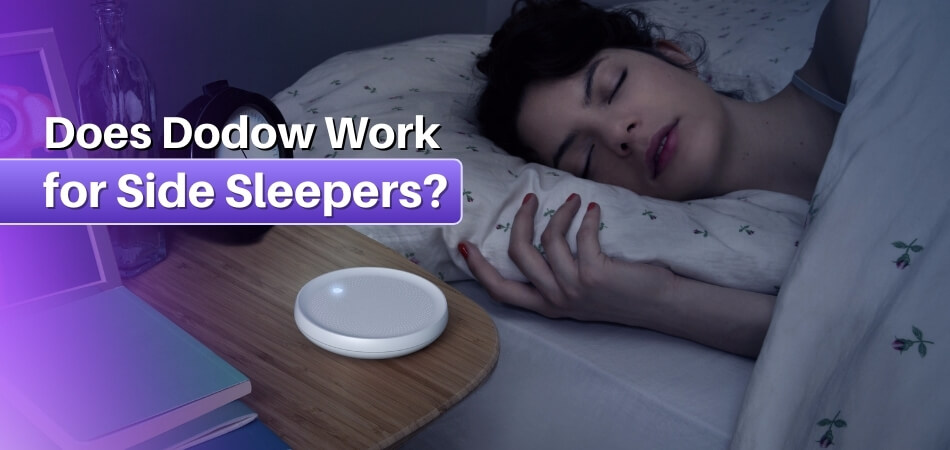
Yes, Dodow can work for side sleepers in real-life use, but most people don’t use it by staying on their side the entire time. Instead, they use it as a short wind-down tool to slow breathing and settle the mind, then fall asleep in their natural side-sleeping position once they feel relaxed.
Common Practical Usage Patterns for Side Sleepers
Most side sleepers end up using Dodow in one of these practical ways:
- Start on the Back, Finish on the Side: This is the most common pattern. Users begin the session lying on their back for a few minutes to clearly follow the ceiling projection. Once breathing slows and drowsiness kicks in, they naturally roll onto their side and drift off.
- Side-Sleep With a Slight Head Tilt: Some people prefer staying on their side from the start. They keep the light in view by slightly tilting the head upward or using a pillow height that allows a partial ceiling view. The light doesn’t have to be perfectly centered, just visible enough to follow the rhythm.
- Learn the Rhythm, Then Stop Watching: After a few nights, many users memorize the breathing cadence. At that point, they may watch the light only briefly, then close their eyes and continue slow breathing while lying on their side.
What Makes It Work Even When You’re on Your Side
Dodow guides breathing using a pulsing light that expands for inhalation and contracts for exhalation. Most devices offer an 8-minute and 20-minute mode, and the breathing pace gradually slows during the session. The key effect is the shift into slower, steadier breathing, which helps the body move toward a calmer state and reduces the “wired but tired” feeling that keeps many people awake.
What Side Sleepers Should Expect
The biggest difference in real life is visibility. Back sleepers naturally see the projection more easily, while side sleepers may need a brief setup habit starting on the back, adjusting pillow angle, or using the light as a short guide before switching positions. In most cases, the relaxation carries over even after rolling onto the side, which is why many side sleepers still find the device useful.
Why Sleeping Position Can Influence Sleep Aid Effectiveness?
Sleeping position doesn’t change whether relaxation tools can work; it changes how easily you can use them without friction. With breathing-guided devices, friction usually comes from one thing: how quickly you can lock onto the cue that’s guiding your rhythm. For side sleepers, that cue can be harder to access, which may reduce consistency if you don’t adjust your setup.
Visual Access Affects Compliance, Not Just Comfort
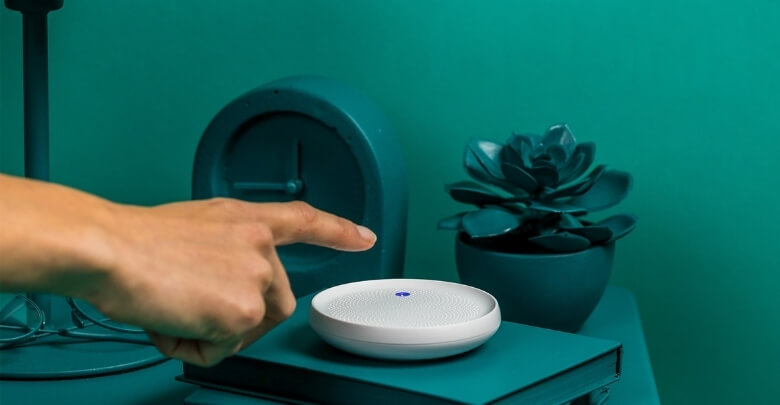
Sleep aids that use a ceiling projection depend on line-of-sight. Back sleepers get a direct view, so they can follow the pattern effortlessly. Side sleepers typically face sideways, so the cue may land outside the natural gaze. In real life, that means a side sleeper may either:
- strain the neck slightly to keep the projection in view, or
- stop following the cue early because it’s inconvenient.
Either outcome reduces “compliance,” meaning you’re less likely to stick with the breathing guidance long enough to feel the full calming effect.
Side Sleepers Have a Different “View Window”
Most side sleepers don’t look straight up; they look forward or slightly down toward the pillow line. So the practical question becomes, where is the projection landing relative to your view window? If it’s centered above the bed, it may be visible only in peripheral vision. If it’s closer to the area above your pillow or angled slightly toward the wall, you can follow it with far less effort. This is why position matters: not because the tool stops working, but because the cue may become harder to use naturally.
Breathing Is the Mechanism, Visibility Is the Trigger
The calming effect comes from slower, steadier breathing, which supports the body’s wind-down response. But most people don’t slow their breathing just because they want to; they slow it because a cue makes it easy. If the cue is hard to see, the breathing pattern often becomes inconsistent. If the cue is easy to see, the rhythm becomes automatic. That’s the real link between sleep position and effectiveness.
What This Means for Side Sleepers
For many side sleepers, the device becomes most effective when the “access problem” is solved. That’s where researching and validating Dodow’s functionality can help set realistic expectations: you’re not trying to change your sleep position, you’re trying to make the breathing cue easy enough to follow that you’ll actually use it consistently.
Small Adjustments That Help Side Sleepers Use Dodow Comfortably
Side sleepers usually don’t need to change their sleeping style to use Dodow successfully. What matters more is reducing friction between your natural sleep posture and the breathing cue the device provides. In practice, a few small adjustments can make the projection easier to follow while keeping your body in a comfortable side-sleeping position.
Align the Projection With Your Natural Field of View
The biggest challenge for side sleepers is not the breathing method; it is simply where the light appears relative to your gaze. Instead of placing the device in the center of the room, try positioning it so the projection falls closer to the ceiling area above your pillow or slightly toward the wall you face. This keeps the breathing guide within your peripheral vision, meaning you can follow the rhythm without turning your head.
Treat the Device as a Short “Wind-Down Phase”
Many experienced users treat Dodow as a pre-sleep routine rather than something they must watch continuously. A practical approach is to follow the breathing guide for the first few minutes until the rhythm feels natural. Once your breathing slows and your body begins to relax, you can close your eyes or shift fully into your side-sleeping position without losing the calming effect.
Use Head Position Instead of Body Position
Instead of rolling onto your back, a subtle head adjustment often works better. A slightly higher pillow or a small upward tilt of the head can bring the projection into view without disturbing your side posture. This keeps the breathing guide visible while maintaining comfort.
Make the Light Easy to Notice
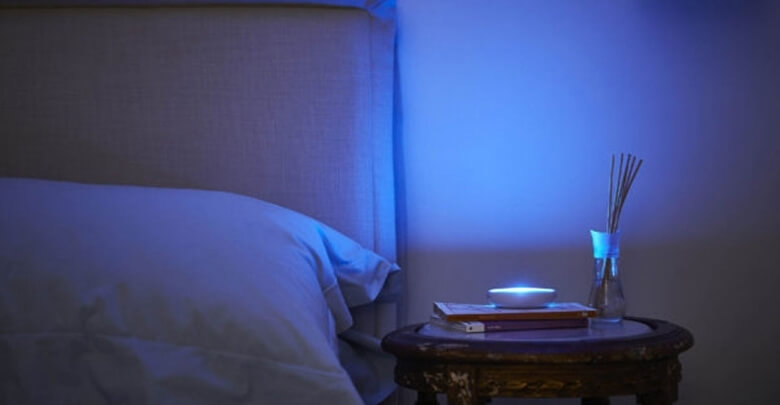
Dodow uses a soft blue projection designed for dark environments. If the room is too bright, side sleepers may struggle to detect the rhythm from the corner of their vision. Lower the lighting before starting the session so the breathing cue stands out clearly.
Build Familiarity With the Breathing Rhythm
After several nights, many users stop relying heavily on the projection because the breathing pattern becomes intuitive. Learning the steps to use Dodow, following the expanding light for inhalation and the contracting light for exhalation, helps your body internalize the rhythm. Once this pattern feels automatic, maintaining the breathing pace becomes easy even when you are fully on your side.
What These Adjustments Achieve
These small changes are not about forcing a new sleeping position. They simply make the breathing guide accessible from the position you already prefer, allowing the relaxation effect to build naturally until sleep follows.
Advantages Side Sleepers May Still Experience With Dodow
Side sleepers often worry that breathing guided sleep devices work only for back sleepers. In reality, many benefits remain accessible. Understanding these advantages helps set realistic expectations before exploring practical usage tips next.
Guided Breathing Encourages Faster Relaxation
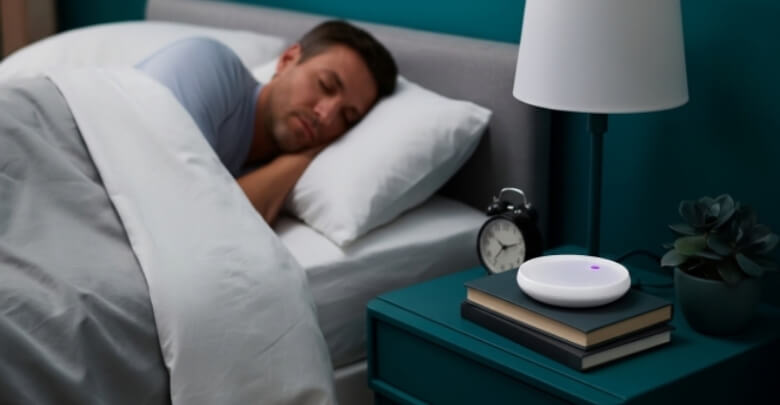
The breathing rhythm projected by Dodow helps slow inhalation and exhalation patterns. Even if side sleepers view the light from a slight angle, the steady rhythm encourages calmer breathing that prepares the body for sleep.
Reduced Mental Overthinking at Bedtime
Many people struggle with racing thoughts when trying to fall asleep. Following the breathing cue provides a simple focus point that shifts attention away from worries and daily stress, helping the mind gradually settle.
A Gentle Transition Into a Natural Sleep Position
Dodow works primarily as a pre-sleep relaxation tool rather than a posture-dependent device. Side sleepers can begin the breathing session while following the light and still fall asleep comfortably in their preferred position.
Support for Consistent Nighttime Relaxation Habits
Using a guided breathing device before sleep can reinforce a consistent wind-down routine. Over time, this pattern signals the brain that it is time to relax, making the transition from wakefulness to sleep smoother.
Non-Intrusive Sleep Assistance
Unlike wearable sleep aids or headphones, Dodow operates externally and does not require physical contact. Side sleepers can benefit from guided breathing without wearing anything that might disturb their comfort or movement.
Improved Awareness of Breathing Patterns
Regular use helps many people become more aware of their breathing rhythm at night. This awareness can support slower, more controlled breathing that encourages relaxation even when the projection is not constantly in view.
While visibility of the ceiling projection may vary for side sleepers, the core benefits of guided breathing and mental relaxation remain accessible. With simple adjustments, many users still experience meaningful support during their nightly wind-down routine.
Smart Setup Tips to Make the Dodow Light Easier to Follow
Small setup adjustments can significantly improve how clearly you see the breathing guide. Optimizing placement, lighting, and viewing angle helps side sleepers follow the rhythm comfortably. Let’s explore practical setup strategies below.
- Place the Device Near the Bedside Area: Position the device on a bedside table close to your pillow so the ceiling projection appears larger and easier to follow while lying comfortably on your side.
- Align the Projection With Your Viewing Direction: Adjust the device so the light spreads toward the ceiling area above your pillow or slightly toward the wall you face while side sleeping.
- Reduce Ambient Lighting in the Room: A darker bedroom allows the soft blue projection to stand out clearly, making it easier to follow the breathing rhythm even through peripheral vision.
- Adjust Pillow Height for a Natural Viewing Angle: A supportive pillow that keeps the head slightly elevated can help maintain a comfortable line of sight toward the ceiling without forcing a position change.
- Choose a Stable Surface for Consistent Projection: Keep the device on a flat and stable surface so the breathing circle remains steady and predictable, which makes following the inhale and exhale rhythm easier.
- Start the Breathing Session Before Fully Settling Into Position: Activating the device before closing your eyes allows you to sync your breathing with the light rhythm while the projection is still clearly visible.
When the projection is easy to see, and the breathing rhythm feels natural, following the guided pattern becomes effortless. A well-planned setup allows side sleepers to experience the calming effect more consistently.
Common Mistakes Side Sleepers Make When Using Dodow
Many side sleepers assume the device is ineffective when the real issue is how it is used in practice. Small setup or expectation mistakes can interrupt the breathing rhythm and reduce the calming effect. Understanding these common errors helps users get better results before considering other adjustments.
Treating the Device as Something You Must Watch Constantly
A frequent mistake is thinking the projection must stay in full view during the entire session. In reality, the light is only meant to guide the breathing rhythm at the beginning. Once your breathing slows, continuous visual focus is unnecessary and can even make relaxation harder.
Placing the Device Too Far From the Bed
Distance directly affects projection clarity. When the device sits across the room or on a distant dresser, the breathing circle becomes small and harder to track from the pillow area. Keeping it close improves visibility and makes the breathing guide easier to follow.
Expecting the Device to Work Instantly
Some users assume the effect should be immediate on the first night. Breathing guided relaxation often becomes more effective after several sessions, once the body recognizes the rhythm as a cue to wind down.
Trying to Control Breathing Too Strictly
Overthinking the inhale and exhale timing can create tension instead of calm. The goal is not perfect breathing precision but a gradual slowdown of the breathing cycle. Allowing the rhythm to guide you naturally tends to produce better relaxation.
Using the Device in a Bright Environment
Dodow relies on a soft blue ceiling projection. Bright bedroom lighting or screens can weaken the visibility of the breathing cue. Lower lighting conditions make the projection clearer and easier to follow from a side position.
Assuming Sleep Position Determines Success
Some side sleepers believe they must stay on their back to benefit from the device. In practice, many people use the breathing cue briefly, then roll into their preferred position as relaxation builds.
Most issues side sleepers experience are related to setup or expectations rather than the device itself. Correcting these common mistakes helps the breathing rhythm work as intended and allows relaxation to build more naturally before sleep.
Frequently Asked Questions
Many readers exploring sleep aids often have practical questions beyond the main topic. The following FAQs address common concerns people search online when learning about Dodow and breathing guided sleep devices.
Can Dodow Help With Insomnia?
Dodow may help some people who experience mild or occasional insomnia. The device slows breathing and encourages relaxation, which can calm racing thoughts and make the transition into sleep easier for certain users.
Is Dodow Safe To Use Every Night?
Yes, Dodow is generally safe for nightly use. It works by guiding natural breathing patterns rather than introducing medication or strong stimulation, making it suitable for regular bedtime routines.
Does Dodow Produce Blue Light That Disrupts Sleep?
The device uses a soft blue projection, but it is designed specifically for relaxation rather than alertness. The light gradually dims and focuses on breathing guidance rather than stimulating the brain.
How Long Does It Take To Fall Asleep Using Dodow?
Many users report feeling relaxed within the first eight minutes of a session. However, the time required to fall asleep varies depending on stress levels, sleep habits, and how consistently the device is used.
Can Dodow Work Without Watching The Light Continuously?
Yes. After a few sessions, many people become familiar with the breathing rhythm and can continue slow breathing even with their eyes closed or while turning into a comfortable sleeping position.
Is Dodow Suitable For People Who Move A Lot During Sleep?
Yes. Because Dodow works as a relaxation guide before sleep begins, people who move during the night can still benefit from the breathing routine at the start of their bedtime process.
Does Dodow Require An App Or Smartphone Connection?
No. The device functions independently and does not require a mobile app or internet connection. Users simply activate the breathing session and follow the projection on the ceiling.
Conclusion
Many people searching does Dodow work for side sleepers simply want to know whether the device fits their natural sleeping style. The answer is encouraging. With small adjustments and proper setup, side sleepers can still benefit from the guided breathing rhythm.
Understanding how the device works and avoiding common mistakes can improve the experience. When used consistently, Dodow can support relaxation before sleep and help many users settle into their preferred sleeping position more comfortably.