
Thinking about improving your smile often brings up one important question: Do veneers feel the same as real teeth? It’s completely natural to wonder how they’ll feel in your mouth, especially when comfort matters as much as appearance. Many people hesitate simply because they don’t know what to expect physically.
The short answer is yes, most well-fitted veneers feel very similar to natural teeth after a short adjustment period. While you may notice small changes at first, your mouth usually adapts quickly. Keep reading to understand exactly what that experience looks like.
Do Veneers Feel the Same as Real Teeth? (Explained in Details)
The honest answer is yes, in most cases, professionally fitted veneers are designed to feel very similar to natural teeth. However, there can be a short adjustment period, and the overall experience depends on the material used, thickness, and how precisely they are fitted to your bite.
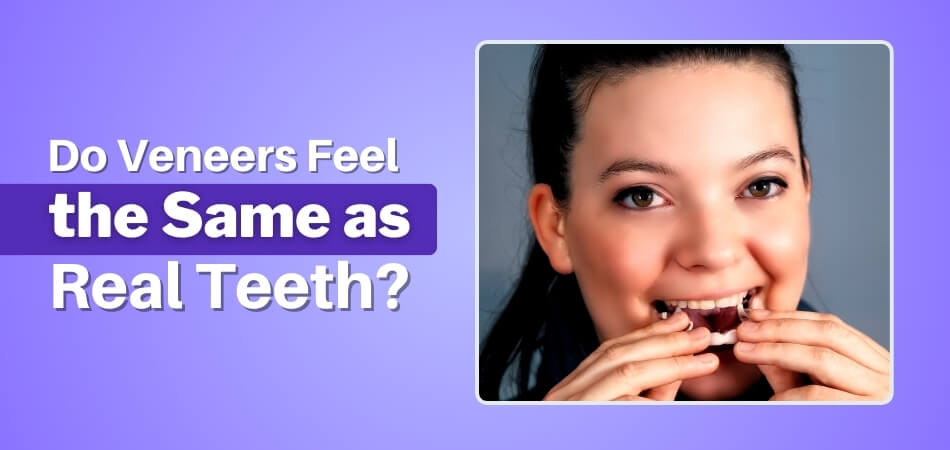
Veneers are ultra-thin shells bonded to the front surface of teeth to improve appearance. Because they are custom-made and carefully contoured, they’re created to match your natural tooth anatomy and bite alignment. When done correctly, they shouldn’t feel bulky, unstable, or artificial. But like any dental modification, your mouth may need time to adapt.
Let’s break this down clearly and realistically.
Why Veneers Can Feel Like Natural Teeth
1. They’re Custom-Made for Your Mouth
Unlike generic dental appliances, veneers are designed specifically for your smile. A dentist evaluates your bite pattern, tooth shape, and gum structure before shaping and bonding them.
When the fit is precise, veneers integrate smoothly with surrounding teeth. Over time, your tongue, lips, and jaw muscles treat them as part of your natural bite.
2. They’re Extremely Thin
Porcelain veneers are typically between 0.3–0.7 mm thick, thinner than a fingernail.
Because of this minimal thickness:
- They don’t usually create a heavy sensation
- They don’t significantly alter how your teeth close together
- They maintain a natural bite alignment
The thinner and more precisely shaped the veneer, the more natural it tends to feel.
3. The Surface Closely Mimics Enamel
High-quality porcelain has a smooth, glossy texture similar to natural enamel.
Many patients even say veneers feel smoother than their original teeth. While this slight smoothness may feel different at first, it rarely feels uncomfortable — just unfamiliar.
The Reasons Veneers May Feel Slightly Different at First
Even when veneers are placed perfectly, your mouth is incredibly sensitive to small changes. Here are common reasons they may feel “different” initially:
- New edges or contours become more noticeable to the tongue
- Bite pressure can feel slightly different at first
- Jaw muscles may need time to adjust to subtle thickness changes
- Temporary sensitivity occurs after enamel preparation
These sensations are typically short-lived. Your brain and oral muscles adapt surprisingly fast — often within days to a couple of weeks.
When Veneers Might Not Feel Natural
While most experiences are positive, veneers may feel unnatural if:
- They are too thick
- The bite alignment wasn’t properly adjusted
- The edges weren’t polished smoothly
- You’re wearing removable (snap-on) veneers rather than bonded ones
For example, in a typical Shiny Smile Veneers review, users often mention that removable veneers can initially feel bulkier compared to permanently bonded porcelain veneers. This doesn’t necessarily mean they’re uncomfortable, just that the experience differs from professionally attached options. Proper fitting is the key factor that determines whether veneers feel like real teeth.
The First Few Days: What Feels Normal and What Doesn’t
In the first few days after getting veneers, it’s normal to notice small changes in comfort, bite, and sensitivity. This quick guide explains what feels normal versus what doesn’t—so you can adjust confidently and know when to contact your dentist.
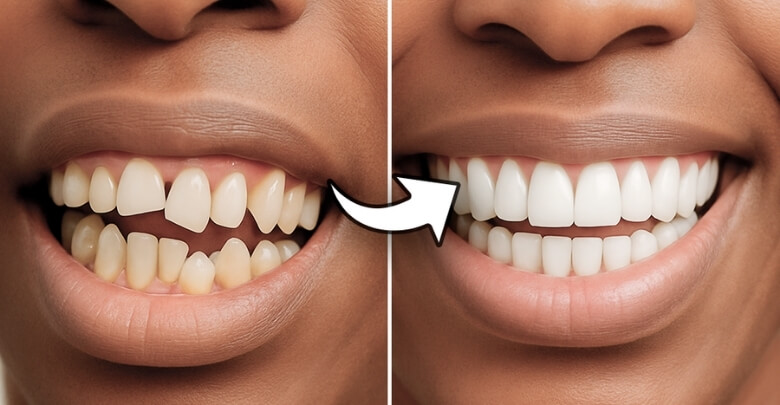
What Feels Normal
Mild Sensitivity
It’s common to experience slight sensitivity to hot or cold foods. This happens because a small amount of enamel is typically removed before placement. Sensitivity usually decreases within days to a couple of weeks.
Heightened Awareness
You may simply feel “aware” of something new in your mouth. This doesn’t mean they’re uncomfortable, just unfamiliar.
Minor Speech Adjustment
Some people notice a slight lisp when pronouncing “S” or “F” sounds. This typically resolves within a few days as your tongue adapts.
Slight Bite Awareness
Your teeth might feel slightly different when closing your mouth. This sensation usually fades once your jaw muscles recalibrate.
What’s Not Normal
While temporary awareness is common, the following signs may require professional adjustment:
- Sharp pain when biting
- Uneven pressure on one side
- Jaw soreness or headaches
- Veneers that feel loose
- Edges irritating your lips or tongue
If something feels persistently “off,” a dentist can often fix it with minor reshaping or bite adjustment.
Bonded Veneers vs Snap-On Veneers: Comfort Comparison
Not all veneers feel the same, and that difference matters when you care about comfort. Bonded veneers are permanently attached and designed to blend into your bite, while snap-on veneers are removable covers that can feel slightly bulkier. Understanding how each type fits and functions helps you choose what will feel most natural day to day.
Quick Comparison
| Feature | Bonded Veneers (Permanent) | Snap-On Veneers (Removable) |
| How they feel | Most natural after adjustment | Often feels bulkier at first |
| Fit style | Cemented onto teeth | Sits over existing teeth |
| Bite impact | Usually minimal when fitted well | Can change bite feel slightly |
| Eating comfort | Better for regular chewing | May limit hard/chewy foods |
| Stability | Fixed in place | Can shift slightly if not fitted well |
| Best for | Long-term cosmetic improvement | Temporary cosmetic solution |
Bonded Veneers (Permanent)
Bonded veneers are professionally attached to your natural teeth using dental cement. Once placed, they stay in your mouth permanently.
Because they are custom-designed and shaped to match your bite, they typically:
- Feel stable and secure
- Blend naturally into your bite alignment
- Allow normal chewing
- Adapt to your mouth over time
Since they’re bonded directly to enamel, they tend to feel more like real teeth after the adjustment period.
Snap-On Veneers (Removable)
Snap-on veneers are removable cosmetic covers that fit over your existing teeth.
They are often used as:
- Temporary aesthetic solutions
- Budget-friendly alternatives
- Non-invasive cosmetic options
Because they sit over natural teeth rather than being bonded, they may:
- Feel slightly bulkier
- Require removal for cleaning
- Limit chewing very hard foods
When discussing the composition of Shiny Smile Veneers, for example, it becomes clear that removable veneers are constructed differently than bonded porcelain shells. The materials, thickness, and attachment method all influence how natural they feel in daily use.
Snap-on veneers can look natural, but they may not replicate the same integrated feel as professionally bonded veneers.
Which Feels More Like Real Teeth?
In general:
- Bonded veneers tend to feel more natural long-term.
- Snap-on veneers may require more conscious awareness while wearing them.
However, comfort always depends on proper fit.
Simple Ways to Adjust to Veneers Faster
Most people adapt quickly to veneers, but a few simple habits can make the adjustment period smoother. In general, you’ll notice the biggest improvement within the first few days, and most people feel fully comfortable within 1–2 weeks.
Practice Speaking Aloud
Reading out loud helps your tongue adjust to new tooth contours. Focus on words with “S,” “F,” and “Th” sounds, since those are the most sensitive to small shape changes.
Your speech usually returns to normal within a few days.
Start With Softer Foods
For the first few days, keep chewing easily while your bite settles.
- Avoid very hard or crunchy foods
- Cut food into smaller pieces
- Chew evenly on both sides
- Skip very sticky foods (like chewy candy) that can pull on edges
This helps your bite stabilize comfortably and reduces irritation.
Use Sensitivity Toothpaste
If you notice mild hot/cold sensitivity, a desensitizing toothpaste can help calm the nerve response. Use it consistently for a week or two, especially if you had enamel prep before bonding.
Keep Your Gums Comfortable
If your gums feel tender around the veneer edges, stick to gentle care:
- Use a soft-bristle toothbrush
- Brush lightly along the gumline
- Floss carefully without snapping the floss down
- A warm saltwater rinse can help soothe minor soreness
This keeps inflammation down and makes veneers feel more “settled” faster.
Check Your Bite Early
One of the fastest ways to improve comfort is by making sure your bite is balanced. If one tooth hits first, chewing feels uneven, or you feel pressure in a specific spot, don’t ignore it.
A small bite adjustment by your dentist can quickly fix discomfort and prevent jaw strain.
Allow Time for Muscle Memory
Your jaw muscles and tongue have learned your bite over the years. Even tiny changes can feel noticeable at first, but your mouth adapts quickly once the shape becomes familiar.
Most patients achieve the lasting comfort of veneers once their bite settles and their oral muscles fully adapt.
If You Clench or Grind, Ask About a Night Guard
If you grind your teeth at night, veneers may feel more noticeable because your jaw is under extra pressure. A night guard can protect your veneers, reduce soreness, and help you adjust faster.
Can Poorly Fitted Veneers Change the Way Your Bite Feels?
Yes. Even a slight height, contour, or alignment difference in veneers can alter how your upper and lower teeth meet, affecting bite balance, jaw comfort, and chewing function. Here’s why these changes can feel so noticeable:
- Your teeth rely on even pressure distribution, so a slightly high veneer can create an imbalance that strains jaw muscles and makes chewing feel uneven or uncomfortable.
- Periodontal ligaments around each tooth are highly sensitive to pressure changes, causing even minor bite discrepancies to feel exaggerated or noticeable.
- An uneven bite may lead to jaw tension, headaches, or muscle fatigue because your jaw subconsciously compensates for misalignment during chewing.
- If left uncorrected, bite imbalance can increase wear on veneers and surrounding teeth, potentially shortening their lifespan and affecting long-term comfort.
- Fortunately, most bite issues are easily corrected through minor polishing or contour adjustments performed quickly and painlessly by a dental professional.
Are Veneers Noticeable to You After the Adjustment Period?
This is one of the biggest concerns people have. After the initial adjustment, most individuals report that they stop thinking about their veneers during normal speaking, smiling, and eating. For many people, that “I forgot they’re there” feeling happens within 1–2 weeks, once your bite and tongue fully adapt.
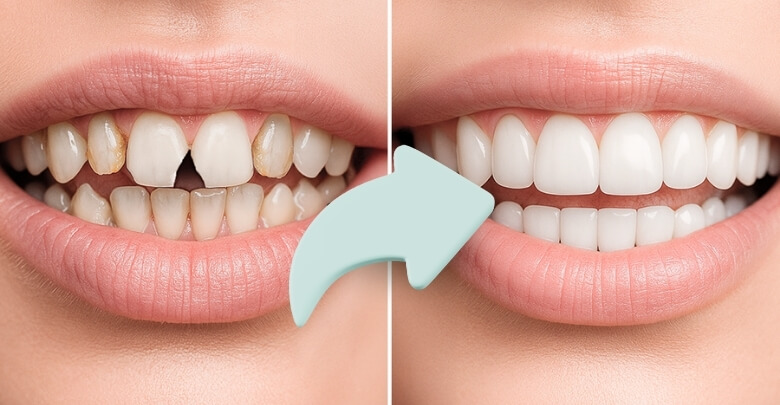
Short-Term Awareness vs Long-Term Adaptation
Your brain is wired to detect change, but it also adapts quickly. Think about new glasses, a dental retainer, or orthodontic aligners. At first, you notice them constantly. Then your mind filters them out. The same thing usually happens with veneers once they feel familiar and your mouth builds new muscle memory.
Do They Ever Feel 100% Identical to Natural Enamels?
Veneers may not feel biologically identical to untouched enamel because they are an added layer. However, after adaptation, they shouldn’t feel bulky, unstable, or distracting, and they shouldn’t interfere with chewing or speaking. In daily life, most people describe them as natural and comfortable.
If You Still Notice Them After a Couple of Weeks
It can happen, and the reason is often practical, not personal. Veneers may remain noticeable if they feel slightly thick, the bite isn’t perfectly balanced, or the edges weren’t polished smoothly. If you notice any of the following, it’s worth checking in with your dentist:
- One tooth hits first when you bite down
- Persistent irritation on the tongue/cheek
- Ongoing pain or jaw tension
- A “high spot” feeling that doesn’t improve
Small refinements often make a big difference.
Psychological Comfort Matters Too
Comfort isn’t only physical. Many people feel more confident after veneers, and that confidence can shape how natural their smile feels overall. When veneers look great and function normally, they tend to feel like a natural extension of your teeth.
Frequently Asked Questions
Choosing veneers is a personal decision, and many people have practical questions beyond comfort and bite. Below are clear, concise answers to common concerns patients search for before committing to treatment.
How Long Do Veneers Typically Last?
Porcelain veneers usually last 10–15 years or longer with proper care. Composite veneers may last 5–7 years. Longevity depends on oral hygiene, bite pressure, and avoiding habits like grinding or chewing hard objects.
Do Veneers Stain Like Natural Teeth?
Porcelain veneers are highly stain-resistant and maintain their color well. Composite veneers are more prone to staining over time. However, good oral hygiene and limiting coffee, tea, and tobacco help preserve brightness.
Can Veneers Fall Off?
Veneers are securely bonded, but in rare cases, they can loosen due to trauma, decay underneath, or bonding failure. If one detaches, a dentist can usually reattach or replace it.
Are Veneers Permanent?
Yes, traditional bonded veneers are considered permanent because a small amount of enamel is removed before placement. This means the procedure cannot be reversed, though veneers can be replaced later if needed.
Can You Whiten Veneers Later?
Veneers cannot be whitened once placed. If color changes are desired, replacement may be necessary. Dentists often recommend whitening natural teeth before veneer placement for better shade matching.
Do Veneers Require Special Care?
Veneers don’t require special products, but consistent brushing, flossing, and regular dental visits are essential. Avoid biting very hard objects to protect their edges and longevity.
Are Veneers Suitable For Everyone?
Not always. People with severe tooth decay, gum disease, or heavy grinding may need treatment before considering veneers. A dental evaluation determines candidacy.
Conclusion
So, do veneers feel the same as real teeth? In most cases, they do feel very natural once your mouth adjusts. Minor differences may appear at first, but they usually fade within days or weeks.
Comfort depends on proper fit, material, and bite alignment. When placed correctly, veneers should not interfere with speaking or chewing. Understanding what to expect helps you feel confident and prepared before making a decision.