
A confident smile changes how you feel about everything, even simple moments like enjoying fresh fruit. But after getting veneers, many people wonder, can I bite an apple with veneers without risking damage? It’s a fair concern, especially if you’ve invested time and money in your smile.
The short answer is yes, you usually can. Most permanent veneers are strong enough for everyday foods, but biting directly into a whole apple may increase pressure on the edges. With a few smart adjustments, you can enjoy apples safely. Keep reading to learn exactly how.
Can I Bite an Apple With Veneers?
Yes, most people with permanent veneers can eat apples. However, biting directly into a whole apple with your front teeth increases pressure on the veneer edges and may raise the risk of chipping or debonding. Dentists usually recommend slicing apples and chewing with your back teeth for safer, long-term results.
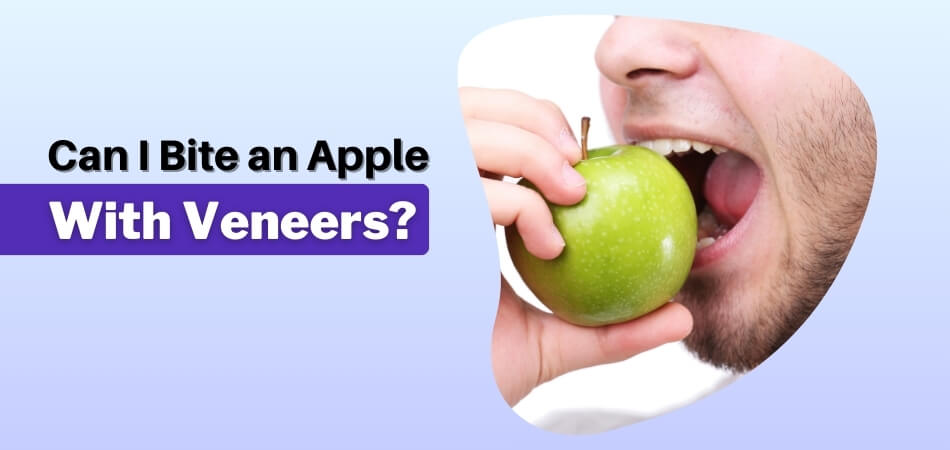
If you’ve invested in veneers, this question is completely normal. Apples represent something bigger than fruit; they represent freedom. After spending time and money improving your smile, you want to eat comfortably without constantly worrying about damage. The good news is that veneers are designed to handle everyday function. But how you eat and what type of veneers you have make a difference.
It Depends on a Few Important Factors
Whether biting into an apple is safe largely depends on:
- Veneer type (porcelain vs. composite)
- Permanent vs. temporary placement
- Bite alignment
- Teeth grinding or clenching habits
- Veneer thickness and bonding quality
Porcelain veneers are generally strong and durable, often lasting 10–15 years with proper care. Composite veneers are slightly less resistant to edge wear. Temporary veneers are the most fragile and should not be exposed to heavy biting pressure.
If you’re considering removable cosmetic options and researching a Shiny Smile Veneers review, it’s important to understand that snap-on veneers function differently from dentist-bonded porcelain veneers. Because they are not permanently attached to enamel, biting directly into hard foods like whole apples may increase the risk of shifting or cracking.
The Reason Biting Into a Whole Apple Can Be Risky
Apples are firm and fibrous. When you bite into one using your front teeth (incisors), force concentrates along the thin cutting edge of the veneers.
Two types of stress occur:
- Vertical pressure from biting down
- Shear force when pulling or twisting the apple away
Veneers are bonded to the front surface of your natural teeth. While they are durable, they are not indestructible. The incisal edge, the part that does the cutting, is the most vulnerable area.
Risk increases if:
- Your bite is not evenly balanced
- You grind or clench your teeth (bruxism)
- The veneers are thin
- The veneers are newly placed and still adjusting
It’s not that apples are “off-limits.” It’s that direct front-tooth biting creates concentrated stress on the very area that veneers cover.
When it’s generally safe (apples):
- Permanent porcelain veneers are in place
- Bite alignment is stable
- Teeth grinding isn’t a major issue
- Twisting or aggressive front-tooth biting is avoided
Extra caution is needed when:
- Wearing temporary veneers
- Veneers are composite resin
- Using removable or snap-on veneers
- There’s a history of grinding or jaw tension
In these situations, slicing apples into smaller pieces is strongly advised.
The Smart Approach
Instead of biting straight into a whole apple, simply:
- Cut it into wedges
- Use your back teeth to chew
- Avoid pulling or twisting motions
This small adjustment significantly reduces stress on veneer edges while still allowing you to enjoy the food.
Yes, you can bite an apple with veneers, but technique matters more than the apple itself. With permanent, well-bonded veneers and mindful eating habits, most people return to normal diets without restrictions. Your veneers are strong. Just avoid putting unnecessary pressure on their most delicate edges.
Porcelain vs. Composite Veneers: Which Handles Crunchy Foods Better?
If biting into crunchy foods is your main worry, the veneer material matters more than most people realize. Porcelain and composite veneers can both look natural, but they don’t behave the same under pressure. Porcelain is typically stronger and more wear-resistant, while composite is easier to repair but more likely to chip at the edges over time. The right choice depends on your bite, habits (like grinding), and how often you eat hard, crunchy foods.
Quick Comparison
| Feature | Porcelain Veneers | Composite Veneers |
| Strength for crunchy foods | Higher | Moderate |
| Chip resistance (edges) | Better | More prone to chipping |
| Longevity (typical) | Longer-lasting | Shorter lifespan |
| Repairability | Usually replacement | Often repairable |
| Stain resistance | Higher | Lower |
| Maintenance needs | Lower | Moderate to higher |
| Cost (general) | Higher | Lower |
Porcelain Veneers
Porcelain veneers are the strongest and most stain-resistant option. High-quality porcelain is engineered to mimic natural enamel in both appearance and function. When properly bonded, porcelain veneers distribute pressure effectively and maintain the natural feel of veneers while offering impressive strength.
Advantages:
- More resistant to chips and cracks
- Better long-term durability
- Stronger bonding to enamel
- More resistant to staining
Porcelain veneers can typically handle normal eating habits, including apples, provided you avoid aggressive front-tooth biting.
Composite Veneers
Composite veneers are made from resin material. While they are more affordable and easier to repair, they are slightly less durable than porcelain.
Considerations:
- More prone to edge chipping
- Slightly less resistant to long-term wear
- May require more maintenance over time
If you have composite veneers, slicing apples rather than biting into them is especially advisable.
Which One Is Better for Crunchy Foods?
Porcelain handles crunchy foods better overall. However, even porcelain veneers benefit from mindful eating habits. Veneer longevity isn’t just about material; it’s also about bite alignment, oral habits, and daily care. If you grind your teeth at night (bruxism), your dentist may recommend a nightguard regardless of veneer type.
Are Temporary Veneers Strong Enough for Hard Foods?
Temporary veneers are a different story. These are usually placed while waiting for permanent veneers to be fabricated. They are not bonded as securely and are made from less durable materials. In most cases, dentists use weaker temporary cement and thinner materials, which makes the edges more vulnerable to lifting or cracking under pressure.
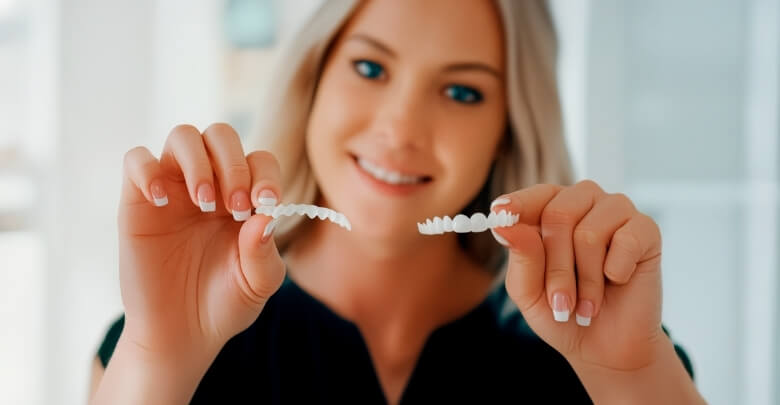
For this reason, temporary veneers are not designed to withstand hard or crunchy foods. With temporary veneers, dentists commonly recommend:
- Avoiding hard foods
- Avoiding sticky foods
- Cutting food into smaller pieces
- Chewing carefully with back teeth
- Avoiding direct pressure on front teeth
Temporary veneers can detach or crack more easily under force, especially in the first few days after placement. During the initial adjustment period (typically the first 24–72 hours), it’s best to stick to softer foods while your mouth adapts and the temporary bond stabilizes.
Safer Food Choices With Temporary Veneers
If you’re wearing temporaries, safer options include:
- Soft rice or pasta
- Scrambled eggs
- Yogurt
- Bananas
- Fish
- Cooked vegetables
These reduce biting pressure and minimize the risk of dislodging the veneer.
What to Do If a Temporary Veneer Comes Loose
If a temporary veneer shifts or falls off:
- Do not try to glue it back with household adhesive
- Avoid chewing on that side
- Store the veneer safely
- Contact your dentist as soon as possible
Attempting a DIY fix can damage the tooth surface or interfere with proper reattachment.
What About Removable or Snap-on Veneers?
Removable cosmetic options, including products designed for eating with Shiny Smile Veneers, function differently from dentist-bonded porcelain veneers. Because they are not permanently attached to enamel, they rely on fit and surface contact rather than adhesive bonding.
Under heavy biting pressure from hard foods like whole apples, removable veneers may:
- Shift slightly out of position
- Crack under concentrated force
- Loosen over time
- Lose their precise fit
Most removable veneer providers advise caution with crunchy, chewy, or very hard foods. Biting directly into a whole apple increases stress along the front edges, which may reduce stability.
If you use removable veneers, slicing apples into wedges and chewing gently with back teeth is the safest approach.
Temporary and snap-on veneers are primarily cosmetic solutions, not long-term structural restorations. They can handle light everyday eating, but hard foods require extra care. When in doubt, modify how you eat rather than eliminate foods entirely. Small adjustments can prevent costly repairs and keep your smile looking its best.
Foods That Create the Same Risk as Apples
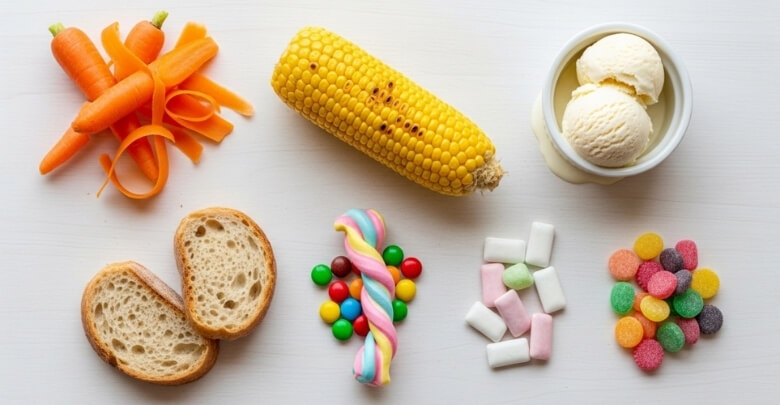
Apples aren’t the only foods that can stress veneers. Many hard, crunchy, or sticky items create similar pressure on the veneer edges, especially when bitten with front teeth. Use this list to identify high-risk foods and protect your veneers longer.
Hard and Crunchy Foods
- Raw carrots
- Hard bread crust
- Corn on the cob
- Ice
- Hard candy
These foods concentrate force on the front teeth if bitten directly.
Sticky or Chewy Foods
- Caramel
- Taffy
- Gum
- Chewy candy
Sticky foods can pull on veneer edges, especially if the bonding is older.
Risky Habits
- Opening packages with teeth
- Biting fingernails
- Chewing pen caps
- Using teeth as tools
Often, it’s habits, not food, that cause the most damage. Understanding these risk categories allows you to make smarter decisions without feeling restricted.
Simple Ways to Eat Apples Without Damaging Your Veneers
You don’t have to avoid apples forever; you just need to eat them in a veneer-friendly way. The safest approach is to reduce pressure on the front edges by changing how you bite and chew. These simple habits can help prevent chips and keep veneers secure long-term.
Here are practical, dentist-approved tips:
- Slice Instead of Bite: Cut apples into wedges or smaller pieces to reduce force on veneer edges.
- Use Your Back Teeth: Molars are built for grinding and chewing, so they handle pressure better than front teeth with veneers.
- Avoid Twisting Motions: Twisting or tearing an apple increases shear stress; if you bite, don’t pull sideways.
- Choose Softer Varieties: Softer apples reduce impact pressure and lower the chance of edge stress.
- Try Easier Alternatives: Applesauce, baked apples, or thin slices let you enjoy apples with less risk.
- Keep Regular Dental Checkups: Routine visits help ensure veneers stay bonded, smooth, and structurally sound.
With these habits, most people enjoy apples comfortably while protecting their veneers for years.
Warning Signs Your Veneers May Be Under Too Much Stress
Veneers are durable, but constant pressure from hard foods or grinding can strain them over time. Recognizing early warning signs helps prevent costly damage and long-term complications. Watch for these symptoms carefully, then continue to the next section for action steps.
Rough or Sharp Edges
If a veneer suddenly feels rough when you run your tongue across it, this may signal minor chipping along the edge. Even small surface changes can worsen with continued pressure from crunchy foods or uneven biting.
Sensitivity When Biting
Increased sensitivity while chewing may indicate stress on the bonded surface. Although veneers cover the front of the tooth, excessive pressure can affect the underlying tooth structure and cause discomfort during biting or temperature changes.
Clicking or Shifting Sensation
A veneer should feel stable and secure. If you notice slight movement or a clicking feeling while chewing, it may suggest weakened bonding. This can occur after biting hard foods or due to long-term grinding habits.
Visible Hairline Cracks
Small cracks may appear near the edges or surface of the veneer. While they may not cause immediate pain, cracks can expand under pressure and compromise durability. Early dental evaluation can prevent further structural damage.
A Bite That Suddenly Feels Off
If your teeth no longer meet comfortably or your bite feels uneven, stress may have altered veneer positioning. Bite misalignment increases the risk of chipping and should be assessed promptly by a dental professional.
Gum Irritation Near the Veneer Margin
Redness or irritation along the gumline near a veneer may indicate shifting or improper pressure distribution. Persistent inflammation can affect both gum health and veneer stability if not addressed early.
Early detection is key to protecting your veneers. If you notice any of these signs, schedule a dental evaluation to prevent minor issues from becoming major repairs and maintain long-term veneer strength.
What Should You Do If a Veneer Chips After Biting Something Hard?
A chipped veneer can feel alarming, but quick, calm steps can prevent the damage from getting worse. Focus on protecting the tooth, avoiding further stress, and getting professional help promptly so repair options stay simple and affordable.
Stop Chewing on That Side Immediately
As soon as you notice a chip or rough edge, avoid biting with that tooth. Continued chewing can widen cracks, weaken the bond, or chip more material away, making the final repair more complicated.
Avoid Hard, Sticky, and Crunchy Foods
Choose soft foods until you are evaluated. Hard foods increase pressure on the damaged edge, and sticky foods can pull on the veneer margin. Both raise the risk of loosening, further chipping, or discomfort.
Do Not Try Diy Fixes or Smoothing
Avoid using superglue, nail glue, or any household adhesive. Do not file or sand the veneer edge. These actions can damage enamel, irritate gums, and complicate professional bonding during your dental repair visit.
Protect Sharp Edges and Reduce Irritation
If the chipped area feels sharp, cover it temporarily with orthodontic wax to prevent cheek or lip cuts. If gums feel irritated, rinse gently with warm salt water and avoid aggressive brushing near the veneer margin.
Call Your Dentist as Soon as Possible
Schedule a dental evaluation quickly, even if the chip seems minor. Early assessment helps confirm whether it is surface wear, a true crack, or bonding loss. Prompt care reduces the chance of needing a full replacement.
Save Any Broken Fragment If It Detaches
If a piece comes off, store it in a clean container and bring it to your appointment. While fragments cannot always be reattached, they help your dentist assess the break pattern and choose the best repair approach.
Know What The Dentist May Recommend
Small chips in composite veneers are often repairable with bonding and polishing. Minor porcelain chips may be smoothed, but larger fractures or cracks usually require veneer replacement. Your bite alignment may also be checked to prevent repeat damage.
Most veneer chips are manageable when addressed early. Avoid further stress, skip home repairs, and see your dentist promptly to protect the tooth underneath and restore a smooth, natural bite.
Frequently Asked Questions
Understanding how veneers handle daily foods helps you protect your smile long term. These common questions address durability, comfort, staining, and lifespan concerns that many patients search for before or after getting veneers.
How Long Do Veneers Usually Last?
Porcelain veneers typically last 10 to 15 years with proper care, while composite veneers may last 5 to 7 years. Longevity depends on oral hygiene, bite alignment, grinding habits, and regular dental checkups.
Can Veneers Fall Off While Eating?
Veneers rarely fall off if properly bonded. However, trauma, excessive pressure, or weakened bonding over time can cause loosening. If a veneer feels unstable, schedule a dental visit promptly.
Do Veneers Feel Different From Natural Teeth?
At first, veneers may feel slightly unfamiliar. Within a few days, most people adjust completely. High-quality veneers are designed to look and feel natural during speaking and eating.
Can Veneers Stain Like Natural Teeth?
Porcelain veneers are highly stain-resistant. Composite veneers may stain more easily over time, especially with frequent coffee, tea, or smoking exposure. Good oral hygiene helps maintain brightness.
Are Veneers Stronger Than Natural Teeth?
Veneers are durable but not stronger than healthy enamel. They are designed to enhance appearance and function, but extreme pressure or poor habits can still cause damage.
Can I Eat Normally After Getting Veneers?
Yes, most patients return to normal eating habits. Minor adjustments, such as avoiding aggressive biting or very hard foods, help extend veneer lifespan.
Do Veneers Require Special Toothpaste?
Non-abrasive toothpaste is recommended to protect the surface finish. Avoid whitening pastes with harsh particles that can scratch composite veneers.
Conclusion
So, can I bite an apple with veneers? In most cases, yes. Permanent veneers are designed to handle daily eating, but technique matters. Avoid direct front-tooth biting and choose safer methods like slicing apples to reduce pressure.
With mindful habits, regular dental care, and awareness of your veneer type, you can enjoy your favorite foods confidently. Small changes today help protect your smile for years to come.