
A confident smile changes how you feel in social situations, at work, and during everyday conversations. Many people considering cosmetic overlays naturally wonder, can you eat with shiny smile veneers without worrying about discomfort or damage? It is a practical concern because meals are part of daily life, not an occasional event.
The simple answer is yes, you can eat with shiny smile veneers, but you need mindful chewing and smart food choices. Soft to moderate foods are generally manageable, while extremely hard or sticky items require caution. Continue reading to understand how to eat comfortably and protect your veneers long-term.
Can You Eat With Shiny Smile Veneers? (Details Explained Properly)
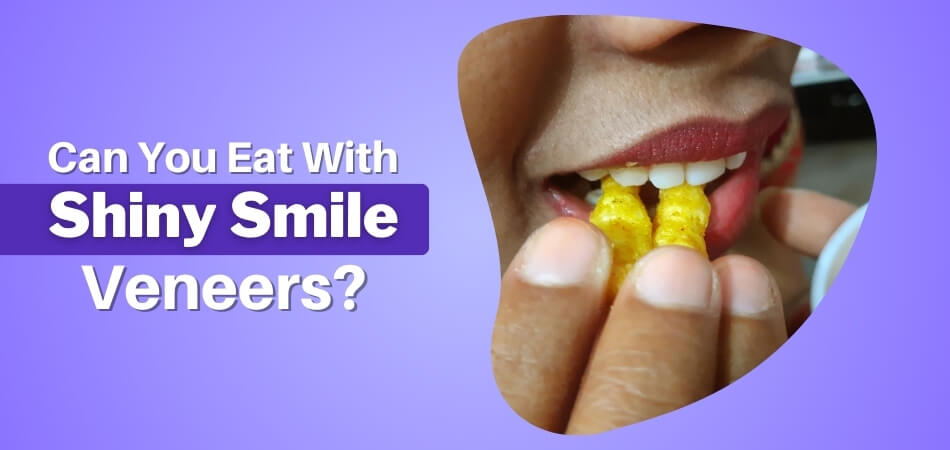
Yes, you can eat with Shiny Smile Veneers, but the experience depends heavily on what you eat and how you eat. These removable cosmetic veneers are designed to handle most everyday foods when worn correctly. However, extremely hard, sticky, or high-pressure foods can increase the chances of discomfort, shifting, or long-term wear.
To understand this properly, it’s important to know what Shiny Smile Veneers actually are.
Unlike permanent porcelain veneers that are bonded to your natural teeth by a dentist, Shiny Smile Veneers are removable overlays. They sit securely over your existing teeth to improve appearance, but they are not permanently fixed. Because of this removable design, they provide flexibility and convenience, yet they require mindful use during meals.
So the better question is not simply “Can you eat with them?”
It’s:
- What types of food are safe?
- How much pressure can they handle?
- When should you remove them?
- How do you protect your natural teeth underneath?
Let’s break this down in practical terms.
What Eating With Shiny Smile Veneers Actually Feels Like
For most people, the first few meals feel slightly different, not painful, just unfamiliar. There is an added layer over your teeth, which changes bite perception slightly. Within a few days, most users adjust naturally.
During normal chewing:
- Pressure spreads across the veneer surface
- The force transfers to your natural teeth underneath
- Stability depends on proper fit
If the veneers fit snugly, everyday meals such as:
- Pasta
- Rice dishes
- Soft meats
- Cooked vegetables
- Sandwiches
- Eggs
- Soft fruits
are generally manageable.
However, eating aggressively, such as biting directly into hard apples or crusty bread, increases localized pressure, especially on the front edges. That’s where stress tends to accumulate.
The Key Factor: Controlled Chewing vs. Forceful Biting
Chewing and biting are not the same. Chewing distributes force gradually. Biting, especially into firm food, creates sudden impact pressure. With removable veneers, sudden impact is what you want to minimize.
Smart technique includes:
- Cutting firm foods into smaller pieces
- Avoiding direct front-tooth biting for tough items
- Chewing evenly on both sides
- Slowing down during meals
Developing better eating habits with veneers reduces unnecessary stress and extends the lifespan of the appliance.
This isn’t about restricting your lifestyle. It’s about adapting slightly to a removable cosmetic solution.
Foods That Require Extra Caution
Here’s where most confusion happens.
1. Extremely Hard Foods
Examples:
- Ice
- Hard candy
- Dense nuts
- Bone-in meat edges
Hard items require more bite force. Repeated exposure can cause small stress points over time.
2. Sticky or Pulling Foods
Examples:
- Caramel
- Taffy
- Gummy candy
- Very chewy bagels
Sticky foods create pulling tension, which can momentarily loosen the veneers or cause slight movement.
3. Tough-to-Tear Meats
Large, fibrous steak pieces may require tearing motions. That action increases front-edge stress.
One isolated bite likely won’t destroy them. But consistent force-heavy eating reduces longevity.
Consequences of Ignoring These Limits
Eating the wrong foods occasionally doesn’t automatically ruin your veneers. But repeated strain may lead to:
- Minor Surface Stress: Small pressure lines may develop over time.
- Temporary Shifting: Sticky foods can cause slight displacement. Usually, removing and reseating fixes it.
- Food Trapping: Debris may become trapped underneath if not removed after meals.
- Gum Sensitivity: Excessive pressure may irritate the surrounding gum tissue.
This is why focusing on veneer safety for real teeth matters. Your natural enamel and gums are still responsible for handling bite pressure. Overloading the veneers unnecessarily transfers uneven force downward.
If you experience:
- Persistent soreness
- Frequent slipping
- Visible damage
- Ongoing discomfort
It’s best to pause eating with them and reassess fit or usage habits.
The Time You Definitely Remove Them Before Eating
You should strongly consider removing them if:
- The meal is extremely crunchy or hard
- You’re eating very sticky desserts
- You’ll be tearing through tough meat
- You want zero risk during a large, heavy meal
The removable nature is actually an advantage here. You can choose flexibility instead of pushing limits.
Effect of Drinks Like Coffee or Wine on them
Dark beverages can gradually stain most dental materials over time. Coffee, tea, red wine, and heavily pigmented sauces may contribute to discoloration if worn frequently during consumption.
Rinsing with water shortly after drinking helps reduce buildup. Cleaning them consistently prevents long-term staining.
Real-Life Confidence: Eating in Public
Many people hesitate to wear removable veneers at restaurants out of fear they might shift.
In most moderate dining situations, such as pasta dishes, salads, rice meals, and soft proteins, they remain stable when properly fitted.
The key is confidence built through experience. Once you understand their limits, you stop worrying about them.
If you’re still deciding whether they suit your lifestyle, reading a detailed Shiny Smile Veneers review can provide additional insights into real-user experiences with eating comfort and durability.
Yes, most everyday meals are manageable when you use controlled chewing and avoid force-heavy foods. They are durable enough for regular use, but they are not designed for aggressive biting or constant exposure to extreme food textures. The key isn’t restriction. It’s a smart adaptation.
How Do Shiny Smile Veneers Handle Everyday Chewing?
Understanding how Shiny Smile Veneers respond to everyday chewing helps you eat more confidently and avoid unnecessary damage. Let’s break down exactly how they function during meals.
- Chewing pressure first contacts the veneer surface before transferring to your natural teeth, making balanced force distribution essential for stability and long-term durability.
- Properly fitted veneers remain stable during normal meals such as pasta, rice, eggs, cooked vegetables, and soft meats when chewing is controlled and evenly distributed.
- A snug fit prevents unnecessary movement while eating, reducing friction against gums and lowering the chances of irritation, discomfort, or uneven bite pressure.
- Forceful front tooth biting increases concentrated stress, especially when eating firm foods, which may reduce veneer lifespan if done repeatedly over time.
- Cutting food into smaller pieces reduces sudden impact pressure and helps maintain secure positioning during meals that require moderate chewing effort.
- Even chewing on both sides of the mouth distributes force more evenly, preventing one-sided strain that can cause temporary shifting or discomfort.
- During the first few days, slight pressure sensations are normal as your bite adjusts to the added layer over your natural teeth.
- Developing mindful eating habits with veneers supports long-term performance, improves comfort, and reduces the risk of avoidable surface stress.
Are Crunchy, Sticky, or Hard Foods a Problem for Veneers?
This is where most concerns arise. Hard, crunchy, and sticky foods place concentrated force on specific areas of the veneer. While Shiny Smile Veneers are durable, they are still removable cosmetic appliances, not permanent dental restorations.

Let’s break it down clearly.
Hard Foods
Examples:
- Ice
- Hard nuts
- Hard candy
- Crusty bread edges
Hard foods require more bite pressure. Biting down forcefully increases the risk of micro-cracks or stress points along the edges of the veneer.
Crunchy Foods
Examples:
- Thick chips
- Hard crackers
- Raw firm vegetables like carrots (if bitten directly)
Crunchy foods create sharp pressure peaks during the first bite. Instead of biting into them directly, cutting them into smaller pieces reduces stress.
Sticky or Chewy Foods
Examples:
- Caramel
- Taffy
- Gummy candy
- Very chewy bagels
Sticky foods can create a pulling effect. This may loosen the veneer temporarily or cause it to shift slightly. While one incident may not cause damage, repeated strain can reduce long-term durability.
A simple rule helps: If you need to tear, twist, or apply strong pressure to eat it, consider removing the veneers first.
That doesn’t mean you can’t enjoy most meals. It simply means using judgment. Soft meats, cooked vegetables, rice dishes, and most everyday meals are usually manageable. Extremely tough steak or sticky desserts may be better enjoyed without them.
What Happens If You Eat the Wrong Type of Food?
Eating something too hard or sticky once will not automatically damage your veneers. However, repeated exposure to high pressure, pulling force, or impact chewing can gradually affect both the veneers and your overall comfort. Here’s what can realistically happen over time:
Surface Stress and Material Fatigue
High-pressure foods such as hard nuts, ice, or dense candy can create concentrated stress points. While damage may not appear immediately, repeated strain can lead to micro-wear or reduced structural integrity over time.
Temporary or Repeated Shifting
Sticky or chewy foods can create a pulling effect that slightly dislodges the veneers. Occasional movement can be corrected by removing and reseating them, but frequent shifting may signal that your eating habits need adjustment.
Increased Friction and Gum Sensitivity
If veneers move during meals, friction between the appliance and gum tissue may cause mild irritation. Persistent pressure imbalance can also lead to localized sensitivity around specific teeth.
Food Trapping and Hygiene Concerns
Forceful chewing may allow small food particles to slip underneath the veneers. If not removed promptly, trapped debris can contribute to odor, plaque buildup, or gum discomfort.
Bite Imbalance or Jaw Discomfort
Repeated uneven chewing on one side of the mouth can create a temporary bite imbalance. In rare cases, this may lead to mild jaw fatigue, especially if forceful biting habits continue.
This is why focusing on veneer safety for real teeth is essential. Even though Shiny Smile Veneers are cosmetic overlays, your natural enamel and supporting structures still absorb chewing force. Excessive pressure from inappropriate foods may transfer uneven stress to your teeth underneath.
If you notice persistent discomfort, visible surface cracks, repeated slipping, gum soreness, or unusual bite changes, pause wearing the veneers during meals and reassess your food choices and fit. Switching to softer foods temporarily and ensuring proper cleaning before reseating can prevent further issues.
Eating wisely is not about restriction. It is about preserving durability, maintaining comfort, and protecting both the veneers and your natural teeth for long term performance.
Cleaning Routine After Meals: What Actually Matters
Eating with veneers means cleaning becomes even more important. Because they are removable, you have the advantage of cleaning both the veneers and your natural teeth separately. That’s something permanent veneers don’t allow. Here’s what actually matters:
- Remove and Rinse After Meals: After eating, remove the veneers and rinse them with lukewarm water. Avoid extremely hot water, as excessive heat may warp certain materials over time.
- Brush Your Natural Teeth: Your natural teeth still require normal brushing. Veneers do not replace oral hygiene.
- Clean the Veneers Gently: Use a soft brush and mild cleanser (as recommended by the manufacturer). Avoid abrasive toothpaste that could scratch the surface.
- Prevent Staining: Dark beverages like coffee, tea, and red wine may contribute to discoloration if worn frequently while drinking. Rinsing with water shortly after helps reduce buildup.
- Let Them Dry When Not in Use: Proper storage in a ventilated case prevents moisture accumulation and odor. Consistency is key. A disciplined cleaning routine extends both appearance and lifespan.
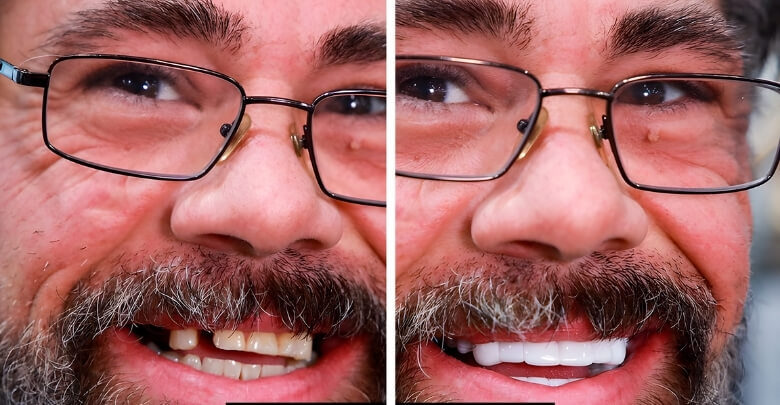
Eating With Removable Veneers vs. Permanent Dental Veneers
This comparison helps set realistic expectations about durability, flexibility, cost, and everyday eating comfort.
Permanent Dental Veneers
- Bonded directly to natural teeth by a dentist
- Designed to function similarly to natural enamel
- Allow normal eating with minimal restrictions in most cases
- Higher financial investment and irreversible procedure
- Require professional dental preparation and enamel reshaping
- Long-term solution with strong structural integration
Removable Veneers Like Shiny Smile
- Non-invasive cosmetic solution
- More affordable compared to permanent veneers
- Flexible since they can be removed anytime
- Require mindful chewing habits
- No enamel removal or dental drilling
- Suitable for cosmetic enhancement without permanent commitment
If your goal is complete eating freedom without thinking about pressure or food type, permanent veneers generally offer greater structural stability. However, they require dental procedures and a higher financial commitment.
For cosmetic improvement with flexibility and affordability, removable veneers can be a practical option, as long as you follow smart eating habits and proper maintenance.
Quick Comparison
| Feature | Permanent Veneers | Removable Veneers |
| Attachment | Bonded permanently | Removable overlay |
| Eating Freedom | High | Moderate with mindful chewing |
| Cost | High | More affordable |
| Procedure | Irreversible dental treatment | Non invasive |
| Flexibility | Cannot remove | Can remove anytime |
| Maintenance | Regular oral hygiene | Separate cleaning required |
The difference is not about which option is better overall. It is about lifestyle compatibility, budget, and long-term expectations.
Practical Tips for Confident Eating
To summarize best practices for eating comfortably with removable veneers:
- Start with softer foods during the initial adjustment period
- Cut firm foods into smaller pieces before chewing
- Avoid biting directly into hard items with your front teeth
- Remove veneers before eating extremely sticky or tough foods
- Clean both your veneers and natural teeth thoroughly after meals
- Monitor comfort, stability, and fit regularly
Confidence comes from understanding your limits and using the product wisely rather than testing its boundaries.
Realistic Expectations for Daily Life
Many people initially worry about embarrassment while eating in public. In reality, when properly fitted and used thoughtfully, most moderate meals can be handled comfortably in social settings.
Removable veneers are cosmetic devices, not permanent dental restorations. They enhance appearance but require cooperation from the wearer. Treating them carefully allows smooth integration into daily routines.
If your diet regularly includes very tough, crunchy, or sticky foods, you may occasionally choose to remove them before meals. That flexibility can actually be an advantage, giving you control over when and how you use them.
Frequently Asked Questions
Understanding common concerns helps clarify real expectations about removable veneers. These questions expand on areas not fully covered earlier.
Can You Drink Hot Beverages While Wearing Shiny Smile Veneers?
Warm drinks are generally fine, but extremely hot beverages may gradually affect material shape. Allow drinks to cool slightly before consuming to maintain long-term fit and comfort.
Can You Sleep While Wearing Shiny Smile Veneers?
It is not recommended to sleep with removable veneers. Removing them at night prevents unnecessary pressure, reduces bacterial buildup, and protects both the veneers and your natural teeth.
Do Shiny Smile Veneers Affect Speech While Eating?
Some users experience minor speech adjustment initially. This usually improves within a few days as your tongue adapts to the added layer over your teeth.
Can You Eat With Shiny Smile Veneers Every Day?
Yes, moderate daily meals are manageable when you follow mindful chewing habits and avoid excessive force from hard or sticky foods.
Do Shiny Smile Veneers Change Your Bite Permanently?
No, removable veneers do not permanently alter your bite. Any slight difference in pressure typically disappears once removed.
How Long Do Shiny Smile Veneers Last With Regular Eating?
Longevity depends on care, fitness, and eating habits. With proper maintenance and mindful use, they can last months to years.
Can Food Stains Permanently Damage Removable Veneers?
Most stains are surface-level and manageable with proper cleaning. Consistent hygiene prevents long-term discoloration.
Conclusion
So, can you eat with shiny smile veneers comfortably in daily life? Yes, most normal meals are manageable when you chew gently and avoid high-pressure foods. Understanding their limits helps you protect both the veneers and your natural teeth.
Confidence comes from awareness, not restriction. When you use smart eating habits and maintain proper cleaning, shiny smile veneers can support your appearance without disrupting your routine. Small adjustments lead to long-lasting results.